
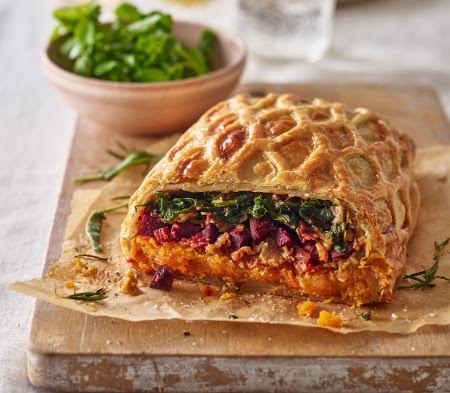
Plant-based food is now a market segment that’s equal in terms of importance to any other for quick service restaurants (QSRs) in Britain. The increasingly influential category has mass appeal – from consumers following a vegan lifestyle to people seeking healthy, eco conscious alternatives to traditional foods made with animal protein ingredients.
“According to The Vegan Society, around 10% of people in Great Britain now follow diets that either reduce or eliminate animal products. Within this, approximately 3% of the population, around 2 million people, identify as vegan, while a further 4% describe themselves as vegetarian,” said Oli Sampson, managing director of Central Foods. “At the same time, the wider global plant-based food industry is forecast to account for up to 7.7% of the global protein market by 2030, reflecting how significantly consumer eating habits continue to evolve across foodservice and retail channels.”
New Age Health
The trend toward wellness has driven consumer interest in plant-based options, compounded by social media focus on “clean eating.” Flexitarianism is now commonplace in the UK, particularly among the younger generation, accelerating demand for vegetable-based dishes on QSR menus.
“Platforms such as TikTok and Instagram continue to drive visibility around high protein plant-based meals, with globally-inspired vegan meals making plant-based eating feel more accessible, appealing and mainstream,” said Sampson. “For UK foodservice operators, this shift presents both an opportunity and an operational consideration.”
Consumers’ expectations have evolved beyond simple vegan options, with variety, choice, clear allergen management and confidence in preparation standards vitally important.
Mass Appeal
Plant-based dishes appeal to most people, so it’s an important segment to represent on QSR menus. Whole food options and global flavors are surefire hits with consumers and are an easy way to pack a punch with plant-based dishes.
“More broadly, appealing to vegan diners also helps to bring in the business of their friends and family, who may otherwise choose to dine elsewhere to accommodate plant-based diners in the group,” said Caroline Buggisch, product marketing manager at RM Curtis. “Utilizing natural plant-based ingredients such as fruits, vegetables, nuts and seeds guarantees they’ll sell well, as they can be used across a range of plant-based and non-plant-based dishes for maximum versatility.”
According to joint research by YouGov and Veganuary, 32% of consumers in the United Kingdom prefer whole food options such as beans, lentils tofu and tempeh, while 23% enjoy whole foods and plant-based meat alternatives equally.

“By offering an inclusive selection of dishes, caterers can appeal to a wider range of diners – from strict vegans and vegetarians to flexitarians and meat eaters,” said Fergus Martin, senior development chef at Major. “The challenge for caterers is to be more creative with their menus, making their plant-based offerings appealing to all in a cost-effective and simple way.”
Caterers can easily create a range of globally-inspired, authentic dishes with any number of pre-made pastes and spice mixes. Not only does this save time and pantry space, but it ensures consistent results every time. From Gochujang – a savory, sweet, and spicy fermented red chili paste condiment popular in Korean cooking, to North African Harissa, which delivers smoky heat and fragrant spice – there are countless options for operators to choose from.
“There is a strong trend towards whole foods and vegetable-based products for main courses [such as dishes built around seasonal vegetables, pulses, grains, nuts, chickpeas, cauliflower and mushrooms] rather than processed meat mimickers,” pointed out Leigh Baker, customer proposition director for foodservice at Booker, a major UK food and drink wholesaler.
For QSR kitchens looking to get more consumers on board, Baker suggested focusing on speed rather than over-complicating the dish.
He commented: “Opt for versatile ingredients such as mushrooms and peppers that can be dual-purposed across multiple menu items, including loaded tacos, stone-baked pizzas and rich pasta sauces. Use premium dips and seasonings to turn simple, cost effective plant components into profitable, signature dishes.”
Quick Bites
Frozen products enable quick service restaurant operators to create plant-based dishes quickly and easily. Not only do they offer higher profit margins, but they also reduce the risk of cross contamination. Visual appeal remains a high priority for consumers, with color texture and flavor equally important.
The plant-based products that sell best are those that are easy for consumers to understand, visually appealing and simple for operators to serve consistently. Familiar formats remain important, but there is also strong demand for menu pleasers that accentuate color, texture and flavor interest.
“Small plates, sharing formats and premium bite-sized products are particularly useful because they allow operators to introduce plant-based options without creating an entirely separate menu structure,” said Marie-Emmanuelle Chessé, international marketing manager at Tipiak. “This is where products such as vegan canapé selections are relevant.”
There is a wide range of frozen options available from falafel-style bites with avocado dip to mini tarts and beetroot hummus – something to suit every venue and its customers. Supplied frozen, these products can simply be thawed and served, saving preparation time and reducing waste.
Consumer Psychology
Current market trends in the quick service restaurant industry point to the fact that consumers are no longer driven by a single, rigid ideology. Rather than seeking out plant-based dishes due to ethical principles, reasons for eating meat-free options at present are influenced by a complex mix of health concerns, environmental consciousness and desire for enjoyable experiences.
“GFI Europe and retail analysts claim UK diners choose plant-based dishes for four primary reasons,” said Victoria Sowerby, channel marketing manager at the Tofoo Company. “Clean label and health; long-term health and personal well-being have become the leading motivators for meat reduction across the United Kingdom. Over the years the definition of healthy has evolved, where diners are now hyper aware of what goes into their food, they are looking closely at labels, and cry out for wholesome, transparent ingredients.”
In many instances, consumers choose plant-forward products because they want to try something unique and therefore opt for offerings that simply looks or sounds delicious.
“A significant portion of diners consciously choose plant-based dishes to reduce their personal carbon footprint,” added Sowerby. “While health and environment dominate choice, traditional ethics and animal welfare remains a key motivation for strict vegans and vegetarians.”
Green Light
Consumers have embraced plant-based dishes, launching this phenomenon into the mainstream. As such, this segment’s popularity is poised to continue moving forward, attracting new devotees on the way.
“The plant-based market is likely to become more integrated, more flavor-led and less dependent on direct meat imitation,” predicted Kevin Hughes, UK and Ireland country director at the La Lorraine Bakery Group. “For quick service restaurant operators, the opportunity lies in creating plant-based dishes that feel like part of the main menu rather than a separate category. That means focusing on flavor, convenience and quality while using familiar formats that customers already understand.”
The increasing incidents of heatwaves across Britain is reinforcing the need for sustainable practices in every area and the QSR industry is no exception. This means that caterers need to be looking at new ways to reduce food waste, such as supporting local producers and using seasonal ingredients.
“Sustainability is a growing concern in our industry,” confirmed Joe Yates, development and training chef and gelato master at Carpigiani UK. “We are continuing to work with more operators to create sustainable recipes – from energy usage to food waste.”
He added: “Banana skins and apple cores are two great examples. Both of these items are often discarded, but as demonstrated in a private one-to-one session with two of our clients, you can use banana skins to create a fantastic gelato base mix and apple cores into a sorbet. It’s these small incremental shifts in how ingredients are used that will support our sector to evolve, particularly with many plant-based recipes going hand-in-hand with a desire to be more sustainable.”
Plant-based dishes have become a core expectation when eating out, with wellness, sustainability and flavor exploration influencing choices made by consumers. Operators that incorporate plant-forward dishes, along with whole food creativity, into their menus won’t just meet demand – they’ll drive it.