Frozen vegetable and fruit products make up a substantial and resilient segment within the United Kingdom grocery market, with growing relevance in foodservice sector. This is highlighted by the latest Kantar Worldpanel data, which indicate the combined retail frozen fruit and vegetable category is worth just under £750 million (year to November 2025), an increase of 4.9% over the previous 12-month period.
Britain accounted for 5.25% of the global frozen fruits market size in 2024, according to Deep Market Insight (DMI), showing significant demand.
The UK frozen fruit sector as a whole is projected to grow at 5.88% CAGR from 2025 to 2035. According to Market Research Future, this has been driven by increasing health consciousness, convenience and demand for year-round availability, which also presents new opportunities to expand online distribution channels for frozen fruits.
Popular Products
Berries dominated the frozen fruit segment in terms of market size contribution, with strawberries, blueberries, and raspberries in high demand. In the retail sector, berries account for approximately 35% of the frozen fruit market and have been forecast to deliver the fastest growth, positioning it as the most lucrative fruit type segment (DMI). Tropical fruits, like mango and pineapple, are also extremely popular.
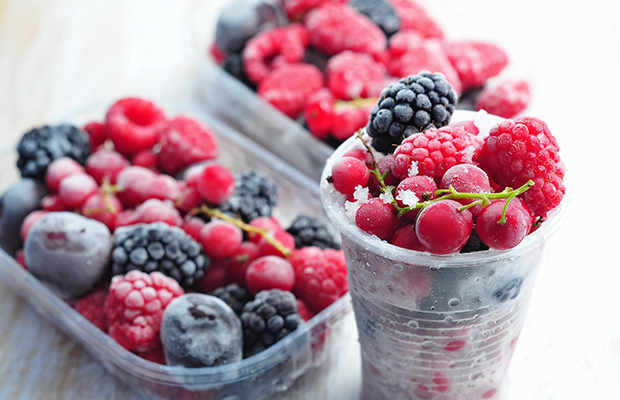
“Looking at fruit, strawberries and blueberries lead demand, driven by their popularity in smoothies, breakfast bowls and desserts,” said Rupert Ashby, chief executive of the British Frozen Food Federation (BFFF). “Mixed berry blends are also popular, particularly as consumers look for convenient, ready to use options that support healthy eating without compromising on taste or quality.”
When it comes to frozen vegetables, peas are the most popular by volume, accounting for approximately 34.7% of the market share in 2025 (Mordor Intelligence), followed closely by frozen potatoes and sweetcorn.
“Frozen peas remain the standout product and a staple in both retail and catering,” added Ashby. “Their versatility, familiarity and value make them a dependable fixture in shopping baskets and on menus. Sweetcorn, mixed vegetable blends and spinach are also strong performers, reflecting demand for everyday meal accompaniments and convenient cooking solutions.”

By vegetable type, peas held 34.72% of the frozen vegetable market share in 2025, with garden peas and petit pois ranked as top sellers, while broccoli is forecast to expand at an 8.2% CAGR through 2031.
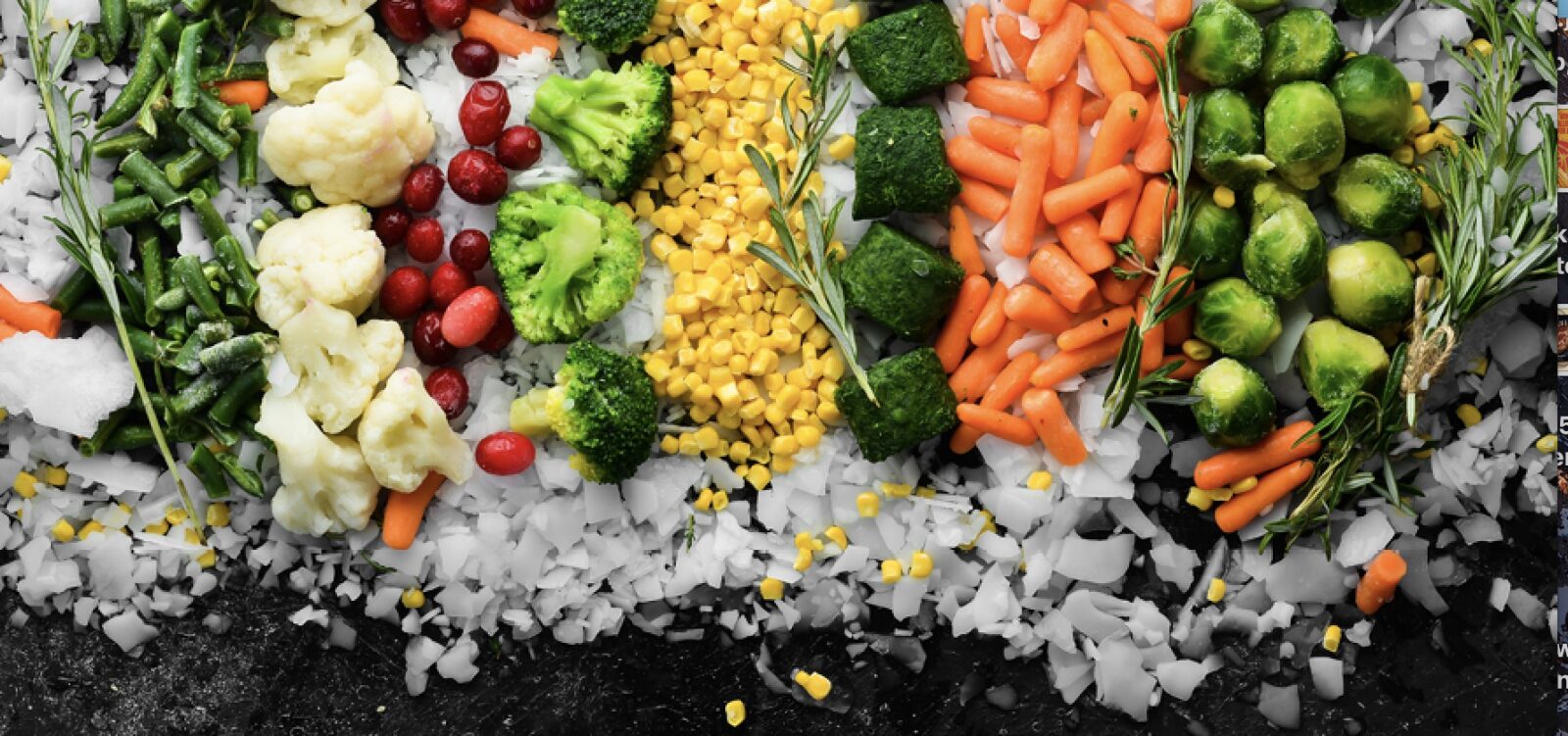
Mixed vegetables are also highly popular due to their convenience, with common blends including carrots, peas, broccoli and sweetcorn.
Sales Drivers
Value, health and convenience are key drivers in the market, according to the British Frozen Food Federation. With one in five households in the UK reporting that they are struggling financially, frozen produce is well positioned as a cost effective and nutritious option with minimal waste.
“Choosing frozen fruit and vegetables could save a family of four around £1,100 per year on a 5-a-day diet,” pointed out Ashby, citing BFFF research data. “Increased consumption of frozen fruit is being driven by consumers’ growing interest in smoothies, high fiber diets and plant-based eating. Berries and exotic fruit offer consumers an easy and affordable way to access nutritious ingredients throughout the year, regardless of season and without the price volatility or spoilage associated with fresh fruit.”
“In foodservice, the appeal is clear,” continued Ashby. “Many operators across pubs, restaurants and catering have long included frozen food in their ingredient mix, but we’re seeing this increase as the foodservice sector navigates labor pressures and tighter margins. Pre-prepared products can reduce kitchen time, support portion control and deliver consistent quality, all of which are critical in a challenging operating environment.”
Market Trends
The latest UK frozen fruit and vegetable product launches include innovative ready-to-use vegetable mixes and premium fruit snacks. Producers have focussed on convenience, nutrition and unique flavor profiles to meet consumer demands.
Current trends in the British frozen food market for fruits and vegetables include promoting the nutritional value of products, such as vitamins and health benefits. For example, Birds Eye Country Mixed Vegetables packs highlight the fact that they contain a great source of vitamin C.
There is strong consumer demand for convenience and pre-prepared products, including pre-cut and chopped, as well as individually portioned items like steam bags or smoothie mixes, which cut down on preparation time.
Retailers and brands are offering more premium and speciality options, such as Waitrose and Partners’ Mediterranean Style Vegetables mix, which includes grilled courgette, red and yellow peppers, tomatoes and red onion, dressed in oil and rosemary.
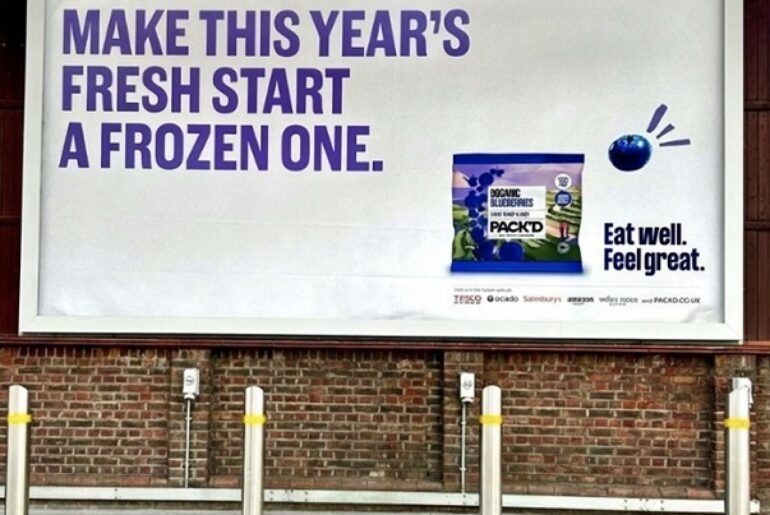
In addition to spotlighting products’ health benefits, many manufacturers are also addressing food waste and seasonality, with promotions like PACK’D’s ‘Frozen February’ campaign driving awareness that frozen fruit and vegetables can be more nutritious than out-of-season fresh produce, due to quick freezing following harvest.
Innovative Approach
UK frozen fruit and vegetable brands are focusing on specialized cooking methods, densifying nutritional content and sustainable delivery – from growing to packaging. Recent launches emphasize ease of preparation and interesting flavor combinations, often using steam bags for speed and nutrient retention.
Air frying, which has been promoted as a healthier and more efficient way of cooking, has become extremely popular among consumers in Britain. Increasing numbers of manufacturers now include directions on packaging on how to air fry the contents, as well as debuting products specifically for air frying.
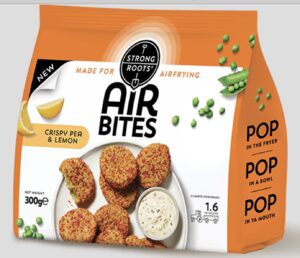
Strong Roots, for example, launched Air Bites – a range designed to be cooked in an air fryer to achieve a “fluffy inside, crispy outside” in 10 to 12 minutes. Flavors include Crispy Spinach & Carrot, Crispy Pea & Lemon, and Crispy Veg. It is also the first frozen plant-based brand to display climate footprint scores directly on the front of packaging aimed at eco-conscious shoppers.
Increased consumer interest in health and convenience led to manufacturers introducing products that combine carbohydrates and vegetable. For example, there is Birds Eye’s Steamfresh range, which includes Golden Vegetable Rice, Mediterranean Rice, and Tortellini with Vegetables and Pesto.
As sustainability continues to remain important to shoppers, manufacturers are investing in green initiatives to lower carbon footprints. Indeed, Birds Eye rolled out solar-powered delivery last year, reducing the carbon footprint of the cold chain.
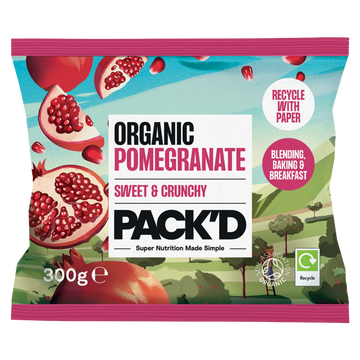 PACK’D has also focused on eco-friendly production by expanding its organic range, launching ready-to-use Organic Frozen Pomegranate seeds in early 2026 and transitioning of its entire range into 100% FSC-approved fully recyclable cardboard boxes, removing plastic-heavy sachets where possible.
As the statistics show, frozen vegetables and fruit are now very popular staples in consumers’ and foodservice outlets’ freezers, with their convenience, quality and value creating more loyal customers across the board.