With around 8,000 exhibitors from 110 countries and gross exhibition space spanning approximately 290,000 square meters, Anuga 2025 will was the biggest edition in the biennial event’s history. From October 4-8, Cologne was the global capital of the food industry and the meeting point for over 140,000 trade visitors from almost 200 countries (94 percent from outside Germany).
Korea is the official partner country of the world’s largest food and beverage trade fair. This milestone reflects the growing global recognition of Korean food (K-Food) as a major force in the international culinary landscape, fueled by the global popularity of Korean culture, particularly K-pop and K-dramas.
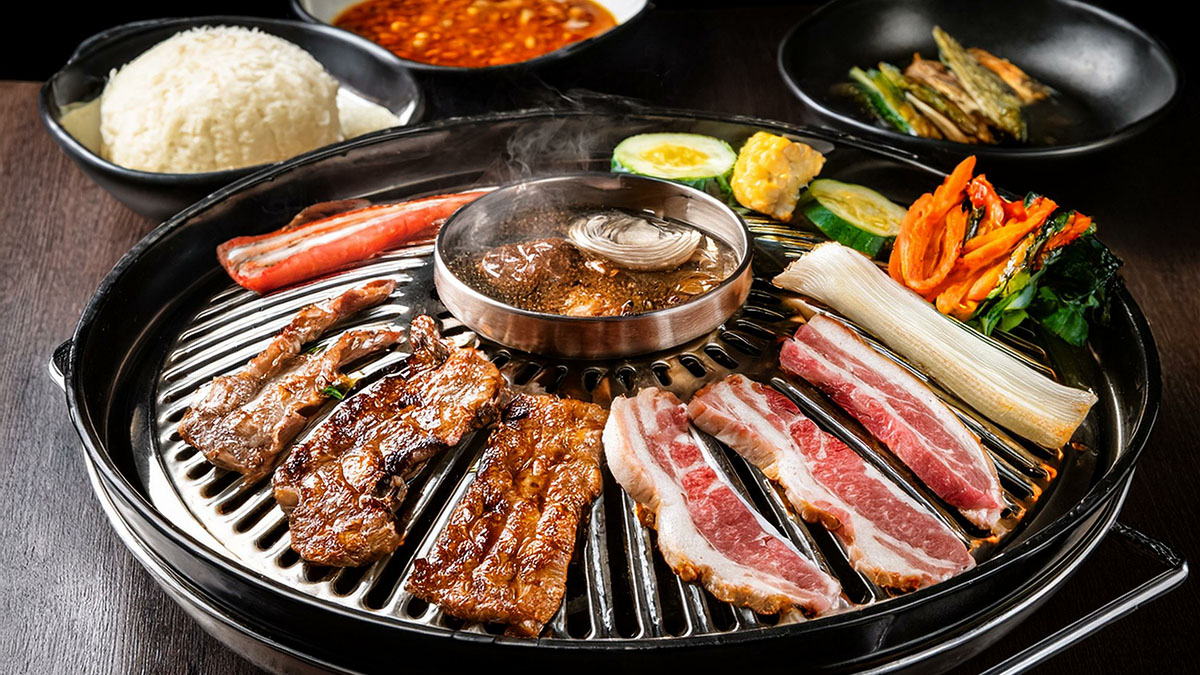
Over the past decade, the Korean Wave (Hallyu) has expanded beyond entertainment to encompass food and lifestyle. Global phenomena such as BTS, BLACKPINK and Netflix’s “Squid Game” have sparked widespread interest in Korean culture, leading to a surge in demand for the country’s cuisine. Dishes like samgyeopsal (grilled pork belly), tteokbokki (spicy rice cakes) and gimbap (seaweed rice rolls) have won over consumers across the United States, Europe and Southeast Asia. Supermarkets in these regions are increasingly dedicating shelf space to Korean food products, signaling a major shift in global food trends.
The cultural momentum has also inspired the creation of cross-media content, such as the hit animated film “K-Pop: Demon Hunters,” which has topped global charts and further amplified global curiosity about K-Food and its cultural roots.
 In line with this momentum, Korea will hosted a National Pavilion at the main entrance of Hall 5.2 during Anuga 2025, presenting a comprehensive showcase of Korean food’s past, present and future. Under the theme “Tradition Meets Innovation,” the pavilion will feature curated exhibitions and tastings that highlight both the depth of Korean culinary heritage and the forward-thinking innovations shaping its future.
Thirteen leading Korean food companies — including Binggrae, Lotte Wellfood, Sempio, Harim, Paldo and others — participated in the pavilion to share their unique perspectives on sustainable food culture and global food innovation.
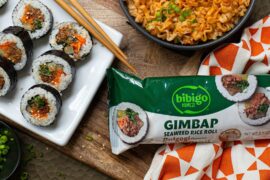
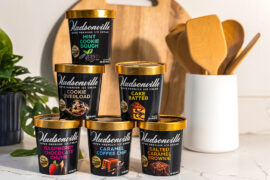
In addition to showcasing both traditional and innovative food products, the exhibition also spotlighted popular Korean street foods such as tteokbokki, gimbap, bulgogi meatballs, japchae (glass noodles) and instant noodles. show-goers also had the opportunity to discover next-generation K-Food innovations, including vegan ice cream and plant-based meat alternatives.
Beyond individual company booths, visitors enjoyed free tastings of Korean cuisine at the “K-Food Tasting Stand” located at Boulevard 061g in front of Hall 5.2.