
The British Frozen Food Federation (BFFF) has urged the UK government to consider the unintended impact of recent political and fiscal changes on food producers in the United Kingdom, as it calls for policies that will inspire innovation and avoid taxing growth.
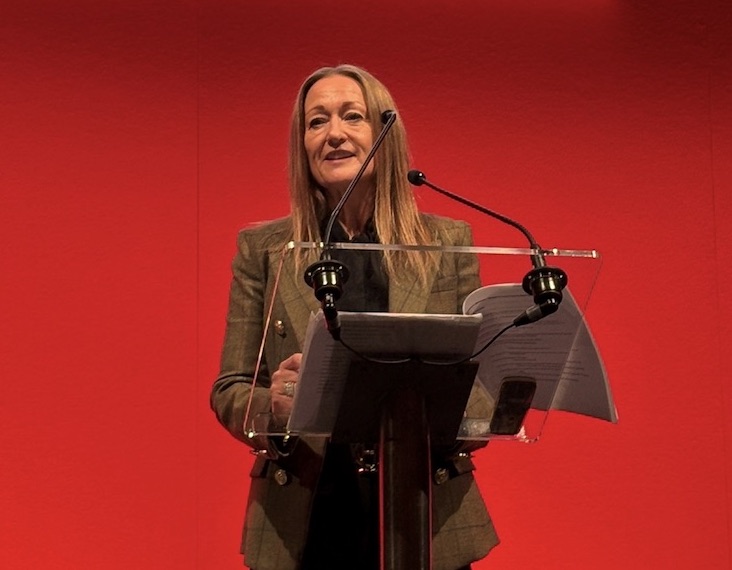
Speaking at the Federation’s 77th Annual Lunch in London on November 18, BFFF President Karen McQuade (pictured above) warned that recent national Insurance increases, rising wage costs and the introduction of Extended Producer Responsibility (EPR) payments are placing serious strain on businesses already managing inflation, supply chain disruption and energy costs.
“Timing is everything,” said McQuade. “The National Insurance rise has hit just as food inflation and supply chain pressures are peaking and, for many of our members, those costs come straight off the bottom line. That leaves no room to invest, expand or retain staff. This is a threat to people’s jobs, and the resilience of our food system.”
She added: “The BFFF recently wrote to the Chancellor in advance of the budget with evidence from members, highlighting the need for policies and fiscal decisions that will incentivize and drive growth.”
Recent BFFF research shows that a third of its members have already reduced their workforce as a result of the NI changes, while almost half have paused recruitment or delayed capital investment plans.
Despite this pressure, McQuade said there had been positive developments on EPR, following government confirmation that funds will be ringfenced for local authority recycling and waste management.
“It’s good to see the money will go where it’s needed,” she stated, “but the overall timing and cost burden still create major challenges for food manufacturers.”
Rupert Ashby, chief executive of the British Frozen Food Federation, commented: “The BFFF is redoubling its political engagement to ensure frozen food’s value and potential are recognized at the highest levels. For example, we are working closely with Defra on the National Food Strategy and National Resilience Strategy to make sure the role of frozen food is properly understood.
“Frozen food delivers consistent quality, reduces waste and ensures food security in times of crisis, but that contribution is too often overlooked in policy.”
Ashby added that the Federation continues to press for practical measures to boost growth, support employers, and ensure the UK retains a strong, sustainable frozen food sector. “We’re here to make sure the industry’s voice is heard loud and clear in Westminster,” he said.
The BFFF Annual Lunch, held at the Park Plaza Westminster Bridge, brought together hundreds of leaders from across the retail, foodservice and manufacturing sectors to address the most pressing issues affecting the sector.