The American Frozen Food Institute (AFFI) and FMI, the food industry association, have released the fourth edition of the Power of Frozen in Retail report, outlining a key trend: frozen food has moved from a backup option to a core element of meal planning for a growing number of American households.
“The report shows that frozen food is not a fallback, but a smart strategy for today’s consumers,” said Adrienne Seiling, AFFI’s chief operating officer and head of strategic initiatives. “Consumers are using frozen to explore new cuisines, reduce food waste and put nutritious meals on the table. As the food industry and policymakers alike focus on the future of nutrition in our country, they should take note – it’s time for fresh thinking about frozen!”

Among the report’s most significant findings:
• The base of core frozen food consumers is increasing. Consumers who use frozens every few days or daily now represent 40% of shoppers, up from 35% in 2019. Nearly one-third (30%) plan to buy more frozen food, the largest purchase intent measured in years. And 77% now purchase frozen foods with a specific meal or day in mind, up from 71% in 2023.
• Frozen food is helping families stretch their food dollars and reduce waste. Consumers report responding to economic concerns with an increased interest in at-home cooking, meal planning and food waste prevention – all needs which frozen food meets. Plus, 37% of consumers use frozen food specifically as a way to reduce food waste.
• Frozen is meeting the needs of today’s families. Consumers appreciate the time-saving benefits of frozen food and also find that the category is meeting their evolving expectations for taste, quality and better-for-you attributes. The top-three purchase drivers identified among shoppers are ease of preparation, price and taste. At the same time, 96% believe the frozen food aisle has better-for-you options and 71% report looking for frozen items they haven’t bought before.
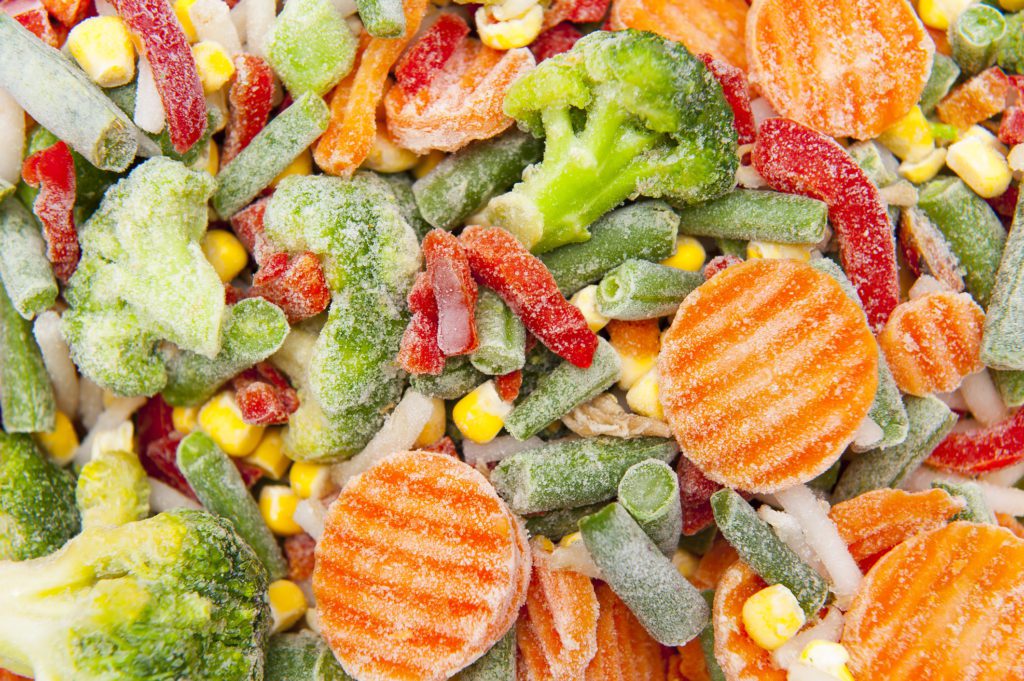
• It’s frozen AND fresh, not frozen OR fresh. Three-in-four consumers (76%) now combine fresh and frozen ingredients in the same meal. Households are not choosing between the freezer and the refrigerator. They are using both.
The insights follow the recent release of the 2025-2030 Dietary Guidelines for Americans, which call for increased consumption of fruits, vegetables, and nutrient-dense foods. That goal is most realistic when frozen foods, which provide whole-food nutrition for busy families, are recognized as part of the equation.
The Power of Frozen in Retail contains valuable information for grocery retailers who are seeking to enhance traffic and performance within the category. The report showcases merchandising and retailing scenarios to help spur additional trial and usage among shoppers. This includes insights into key areas of retail merchandising interest for shoppers, such as dual-temp cross-merchandising with fresh produce and product displays to meet specific health goals.
“Shoppers seeking value are willing to pay more for health, convenience, enjoyment and entertainment – which can all be found in the frozen food aisle,” said Andrew Brown, senior manager of industry relations at FMI. “Food retailers can build loyalty with shoppers by showcasing the ways frozen food options can help families eat well, save time, waste less, and provide quality meals that families will enjoy.”
The 2026 Power of Frozen in Retail report was unveiled during the February 21-24 AFFI-CON 2026 in San Diego, a major frozen food industry B2B event in the USA. The conference convened over 1,700 professionals from across the frozen food supply chain for business development, industry programming, and strategic discussion on the category’s future.
The fourth edition of the Power of Frozen in Retail study was conducted by 210 Analytics, with a Circana sales data overlay. The national consumer survey was conducted in October 2025 among 1,560 frozen food consumers who have at least 50% responsibility for grocery shopping.