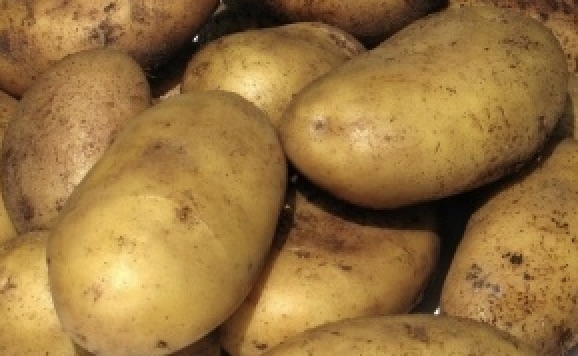
After more than a year of repeated requests from the Northwest European Potato Growers (NEPG) for the supply to be adjusted downward, farmers have answered the call. Official figures from Belgium (-16,6%), the Netherlands (-15,1 %) and France (-9,7%), along with estimates from Germany, confirm provisional reduction of approximately 11% in the ware potato area.
“Potato producers realized that the only way to improve market conditions was to plant less. This responsible decision paves the way for a more balanced market,” stated a press release issued by the market exchange platform’s Gembloux, Belgium-based office on June 30.
Faced with a historically difficult marketing year, characterized for many weeks and months by spot prices ranging from 0 to €2€/100 kg (unseen during the last decades) and low contract prices for the next season, farmers have adjusted their planting areas. “Despite the lack of genuinely more attractive alternatives in other arable crops (cereals, vegetables, rapeseed and flax), growers sensibly decided they should plant less potatoes,” stated NEPG’s press release.

The planted area in 2026 will likely be down by around 67,200 hectares (from 604,100 last year to 536,900 hectares this season). While the reduction is now a certainty, it it is still too early to draw any conclusions about the size of this year’s harvest. Weather conditions over the coming months will be decisive, with yields and quality remaining highly uncertain – particularly with impact from the recent heatwave.
Ex-Field Contract Price Level Causes Concern
With ex-field contracts at around €12.50 per 100 kg offered by processors, some growers had no choice but to accept such those low prices, according the NEPG. At these price levels, which do not reflect the continuous rise in production costs (fertilizer, fuel, electricity, machinery, etc.), the economic viability of many farmers could be jeopardized.
The NEPG believes that this pricing strategy could have long-term consequences for the entire sector, including the processors of frozen fries and other value-added potato products. It stated: “The industry’s long-term viability depends on balanced contractual relationships that guarantee remuneration in line with producers’ economic realities.”