Asian cuisine continues to be popular in the United Kingdom, with high engagement noted by Mintel. Its research has found that 90% of consumers regularly eat world cuisine dishes at home as part of everyday dining and social hosting, while 79% of adults consume Asian foods at home and over 60% eat Asian-inspired fare weekly.
“Asian food is a major and very well-established part of the UK food market, with cuisines including Indian, Chinese, Korean, Thai all popular with large numbers of retail shoppers and foodservice customers,” said Rupert Ashby, chief executive of the British Frozen Food Federation (BFFF). “There is also strong growth in other Southeast Asian and Japanese options.”
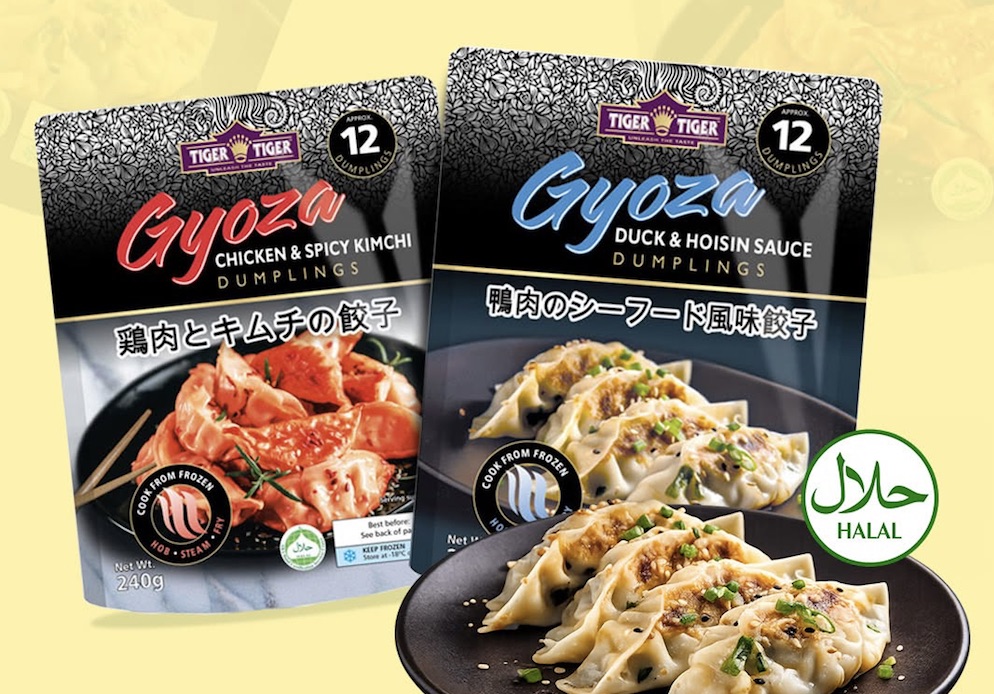
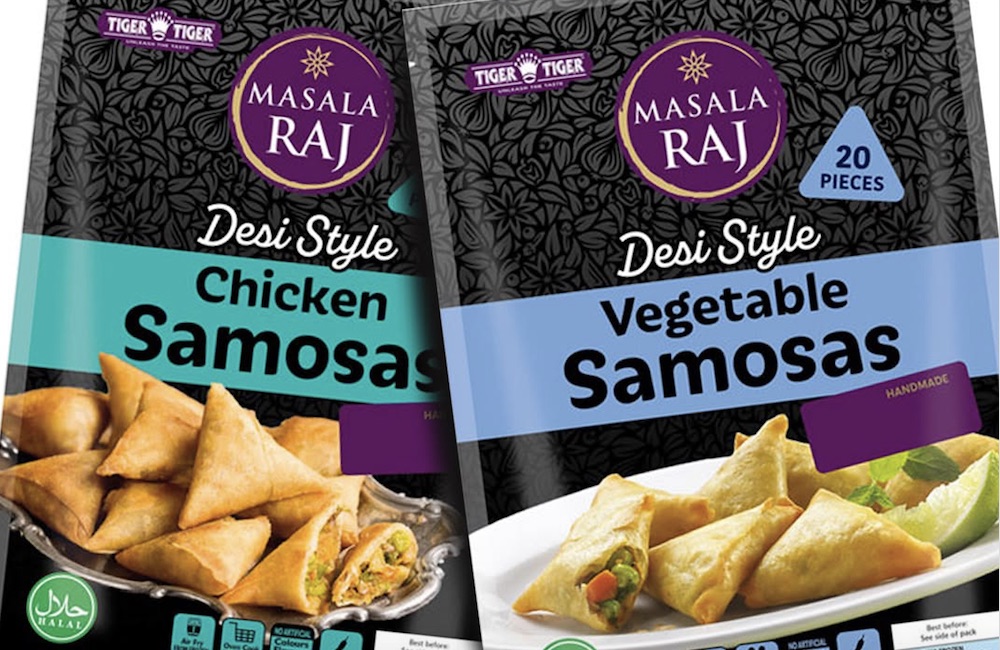
JK Foods UK, a Nottingham, England-based importer, wholesaler and distributor of Pan-Asian frozen and non-frozen food products sourced from suppliers across the Orient and Indian subcontinent, has been serving retail and foodservice customers throughout Britain and further afield for more than 50 years. Its extensive assortment of more than 900 SKUs runs the gamut from Tiger Tiger brand Duck & Hoisin Sauce Gyoza (pictured above) and Desi-style Masala Raj Samosas to Dine-In Pan-Asian Tapas and Chicken with Kimchi Bao Buns.
Mark Johal, founder and chief executive officer of the company, still travels the world, dealing personally with food producers and discussing innovative new product ideas.
Market Expansion
According to Mintel, traditional British ready meals face volume declines, whereas international cuisine options including Asian dishes drive retail growth through convenient frozen and chilled formats.
“The opportunity for frozen food is significant, as consumers increasingly use the freezer to explore different global flavors, and enjoy restaurant-style food at home,” said Ashby.
As noodles, frozen and kids’ meals attract new product development, an increasing number of launches aim to bring the restaurant experience and world flavors into people’s homes. Furthermore, a greater focus on health has resulted in an increase in pulse and vegetable-led formats to target specific consumer needs, according Mintel’s 2026 UK Attitudes Towards World Cuisines Report.
“Authentic but healthy products, ones that facilitate tailoring of spiciness and positioning towards breakfast and social occasions will win favor,” commented Amy Bishop, a UK Food & Drink Reports analyst at Mintel.
International flavors are increasingly popular with consumers looking for authentic and affordable eating experiences, making frozen ready meals in this segment a top choice.
Lumina data shows that trusted and recognizable brands are in favor, with trending food choices featuring cuisines such as Punjab, Korean and Chinese adding a point of difference to meal options in freezers and encouraging greater spend. It’s the 25-to-34-year-old demographic which typically drives growth as its members are experimental in their food choices and may have slightly more disposable income.
“Chinese and Indian remain the two most popular Asian cuisines,” said Ashby. “YouGov research in 2025 found that 45% of Britons had eaten Chinese food at a restaurant, takeaway or from a delivery service in the previous three months, compared with 39% for Indian food.”
Japanese, Thai and Korean food are also becoming more mainstream. The popularity of Korean cuisine in particular has benefitted from the influence of K-pop, social media and Korean television. Meanwhile, Japanese dishes like katsu, gyoza and ramen are becoming more familiar to British consumers.
“The most popular products tend to combine familiar formats with Asian flavors, including curries, chow mein, katsu, teriyaki chicken and noodles,” said Ashby. “Gyoza and bao buns are also seeing growing demand.”
Recent Trends
Convenience remains a key driver of sales in the frozen ready meal segment, with consumers looking for restaurant-standard global flavors that can be enjoyed at home at a fraction of the cost of traditional takeaways. There is also growing interest in healthier Asian-inspired meals, in addition to products that offer truly authentic flavors.
“Korean, Japanese, Malaysian and Vietnamese cuisines are benefiting from this appetite for discovery,” said Ashby. “Street-food inspired formats such as bao buns, gyoza and Korean fried chicken are driving the popularity of Asian foods for sharing and snacking.”
Rising popularity has resulted in new product development, combining other world flavors, creating Pan Asian cuisine. From Korean BBQ tacos to classic burgers elevated with Gochujang mayo, or Mediterranean flatbreads topped with Asian marinades – the amalgamation of flavors is notable. In fact, according to Mintel’s 2025 UK Attitudes Towards World Cuisines Consumer Report, 32% of consumers are more excited by emerging cuisines, with novelty and discovery key purchase drivers.
New Products
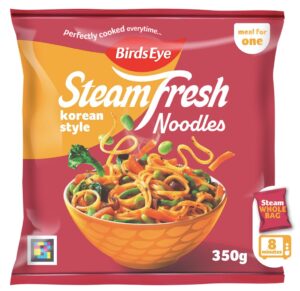
Frozen food producers have accelerated new product development in the Asian cuisine sector, with a focus on health and nutrition. For example, Birds Eye has expanded its Steamfresh range with Korean Style Noodles, Malaysian Laksa Style Noodles and Asian Rice, designed to provide a convenient, vegetable-rich and high-protein options.
In addition to meeting consumer demand for convenience, these products also tap into key purchase drivers, such as health and interest in world cuisines. The meal include at least one portion of the recommended five servings of fruit and vegetables per day and are also classified as non HFSS. Furthermore, the microwave steaming technology used preserves nutrients while delivering consistent results.
Steamfresh Korean Style Noodles and Asian Rice can be found in Tesco freezer aisles, while gochujang and Mexican Rice can be purchased at ASDA, Sainsbury’s, Morrisons and Iceland stores.
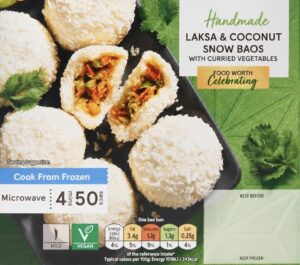
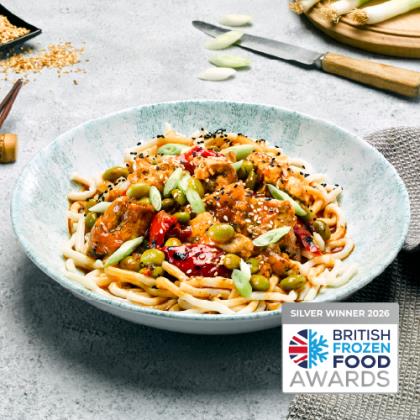
The British Frozen Food Federation’s 2026 Frozen Food Awards highlighted a number of examples of NPD in this area. Tesco’s Laksa Coconut Snow Baos with Curried Vegetables and Simply Food Solutions’ Sticky Gochujang Korean Style Chicken both received recognition, showing the growing influence of Southeast Asian and Korean flavors.
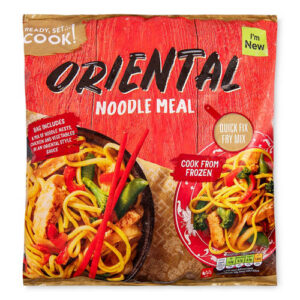
Aldi has also developed products in the segment, with its Oriental Noodle Meals that can be cooked from frozen. These offerings feature a mix of noodle nests, chicken and vegetables in an Oriental-style sauce, priced at £2.69. The discount grocery chain has also added Asian flavors into its Protein range of frozen ready meals, tapping into the trends for health and global cuisines. Dishes include Chilli Chicken Miso Ramen, Chicken Katsu Curry and rice, offering 33 grams of protein, and Teriyaki Noodles Protein Pot, with 32 grams of protein. All products in this range cost £1.75.
“There’s an exciting breadth of Asian flavors now reaching the mainstream,” said Ashby. “Consumers are becoming more adventurous, and frozen food gives them an easy, affordable way to explore new cuisines at home.”
Asian-inspired frozen ready meals are clearly moving from occasional backup options to everyday staples, driven by consumers’ appetites for authentic flavors, healthier choices and convenient formats that still feel restaurant-quality. With retailers doubling down on innovation, brands elevating familiar dishes with Korean, Japanese and Southeast Asian influences, and younger shoppers pushing for novelty and discovery, the category is evolving fast. As global flavors become embedded in UK eating habits, frozen Asian meals are perfectly placed to deliver the balance consumers want: bold taste, trusted nutrition, and effortless convenience.