Frozen ready meals are increasingly popular among consumers thanks to their convenience, value, greater choice and improved quality. According to Statista, retail sales in the British ready-to-eat meals market will amount to £4.74 billion in 2025, and is expected to grow annually by 3.63% (CAGR 2025-30). In relation to total population figures, per person revenues of £68.11 has been generated in this year.
“Own label has been the main beneficiary of growth in the UK frozen sector, especially as consumers seek to save money during the cost-of-living crisis,” explained Ayisha Koyenikan,director of Mintel Food & Drink. “Many shoppers (43%) report saving money by buying more store brands.”
Although ready meals are eaten during a variety of occasions, they are typically consumed now and again as opposed to an everyday staple. According to Mintel’s Ready Meals UK Market Intelligence report, their popularity as an alternative to more expensive foodservice meals is expected to sustain short term demand, at least until consumer spending improves.
The latest Circana data shows that name brand frozen products have recorded slightly higher volume growth than private label offerings over the past year, rising by 3.6% in the 52-week period through September of 2025, while own brands have seen a 2.6% decline.
“We are seeing significant innovation across both areas, with private label keeping up with brands,” said Rupert Ashby, chief executive of the British Frozen Food Federation (BFFF).
The negative consumer perception of ready meals as being highly processed has challenged sales, with over two-thirds of adults believing this to be the case, according to Mintel. “Combating the category’s highly processed image will help brands stand out,” said Amy Bishop, a food and drink analyst at Mintel. “Packaging design can play a pivotal role in addressing this by showcasing visible fresh ingredients and vibrant natural colors, while also emphasizing clean-label claims.”
She added: “Consumers show strong interest in suggestions for tailoring ready meals to their taste, which could enhance engagement and satisfaction. Variants that require slightly more involved preparation also appeal to many users, offering an opportunity for brands to innovate while maintaining the balance between convenience and customization.”
Emerging Trends
As with the rest of the frozen food category, producers of private label products have focused significant innovation on delivering higher quality offerings in response to high consumer demand for restaurant-quality dining experiences in the home.
“Consumer perception of frozen ready meals has shifted sharply,” said Ashby. “Research from BFFF and Vypr shows that 66% of shoppers are more likely to buy frozen food when it is sustainably sourced, and around 55% are willing to pay more for it. Most consumers now feel frozen food has improved in quality and nutrition, and this is reflected in the own-brand products retailers are developing.”

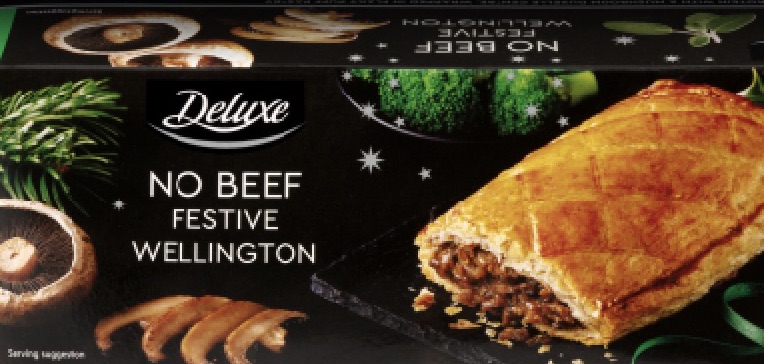
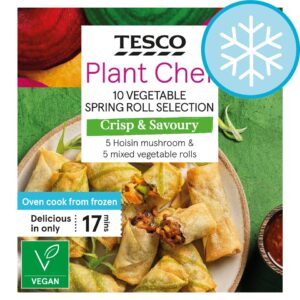
This year’s British Frozen Food Awards competition highlighted how strongly own-label ranges are evolving. Products such as Lidl’s Deluxe Vegan Wellington, Tesco’s Plant Chef Spring Roll Selection and Iceland’s Luxury Seafood Selection highlight retailers’ desire to be more adventurous with flavors and more premium formats.
“There is also a clear shift towards globally inspired cuisine, particularly Asian and Indian dishes, and a continued rise in plant-based options,” said Ashby. “Sustainability continues to shape packaging development, with retailers working to reduce plastic and make recycling easier.”
New Entrants
To join its other ranges of private label brand meals, Iceland has partnered with the Mumsnet parenting website, launching a line of five family friendly frozen kids’ ready meals called Little Explorers.
Available in Iceland stores and The Food Warehouse, these meals have been designed to be nutritious, with each dish containing at least one of the recommended five-a-day portions of fruit and vegetables, low salt content and no added sugar, emulsifiers, artificial ingredients or preservatives. Products include Marvellous Mac & Cheese, Classic Cottage Pie, Tremendous Chicken Tikka, Fantastic Fish Pie and Super Spaghetti Bolognese.

For each meal sold at £2, 5p is donated to the Alder Hey Children’s Charity, with the Iceland Foods Charitable Foundation matching the total raised up to an additional £50,000.
Iceland has also added to its Myprotein Wellness range and committed to using only sustainable seafood in all its own label lineup, including ready meals. This move highlights the importance of environmental, ethical, animal welfare and human health issues to consumers.
In September of this year, Iceland announced a significant environmental milestone by sourcing 100% of its wild fish and seafood across all own label products from Marine Stewardship Council (MSC) certified sustainable fisheries, which includes all private label seafood ready meals.
While packaging transitions are in progress, shoppers can expect to see the blue MSC ecolabel on qualifying products by January 2026, offering assurance that the items meet globally recognized sustainability standards. The supermarket’s leadership in this area was recognized at the 2024 MSC UK Awards.
Richard Walker, executive chairman at Iceland Foods said: “This is a big moment for us. Our oceans are in crisis, and we all have a responsibility to do something about it. Sourcing 100% of our wild fish and seafood across all our own label seafood products shows what’s possible when you set your sights high and stick to your principles.
“Our customers can now be confident that every own label product bearing the blue MSC ecolabel is sustainably sourced to the recognized independent standard. That’s good for the planet, good for future generations, and it sets a global benchmark for what responsible retail should look like.”
Looking Ahead
The frozen own label ready meals segment has experienced notable developments in several markets, particularly in the UK. According to Mintel, there is still room for more premium frozen meal innovation.
“Expanding top tier private-label ranges could help retailers retain consumers who are looking for affordable luxury without trading up to branded products on treat occasions,” pointed out Koyenikan. “The cost-of-living crisis has driven more consumers to trade down from chilled or foodservice options into frozen, with brands and private labels responding by expanding their frozen ranges and offering more premium experiences.”
As consumer demand for value and convenience shows no sign of abating, innovations have focussed on providing a more premium experience for UK consumers.