The ready-to-eat meals market in the United Kingdom experienced modest growth in the year to June 2025, with the total spend on frozen ready meals amounting to £827,871,741. That equates to a 0.2% increase on the previous year, according the numbers crunchers at Kantar. This slow growth can be attributed to a range of factors such as changing consumer preferences, lower disposable incomes and increased competition from other convenience food products.
Quality Options
“Frozen pre-cooked meals are once again finding appeal with younger consumers and prompting the current market comeback,” according to Danielle Mailey, technical sales manager at Foodology by Univar Solutions. She attributes the following tothe segment’s renaissance:
• Improved quality marked by healthier ingredients, reduced sugar, and various options for specific dietary needs, such as gluten-free
• Affordable pricing that offers a more budget-friendly option than restaurant dining without having to cook from scratch, while also being more cost effective than takeout or meal kits
• Sustainable solutions, including smaller portions to reduce food waste and improved packaging
• Acceptance of freezing as a natural preservation method that doesn’t take away from nutrient value or freshness
• Convenience, most notably the time saving effort to reheat and serve a meal in just a few minutes with push button ease.
“We’ve seen significant change in consumers’ perception and expectations of ready meals in recent years, largely in line with the changes that have happened across the frozen sector,” Rupert Ashby, chief executive of the British Frozen Food Federation (BFFF), told FrozenFoodsBiz.com. “Consumers are looking for higher quality, healthier meal options that offer a wider range of choice, particularly when it comes to international cuisine and new takes on the classics, as well as options for those with specific dietary requirements.”
Ready meals are no longer viewed by shoppers as valuable unless the quality is on a par with home cooked meals. Today the demand is for quality ingredients, authentic flavors and texture.
Brand Power
Consumers tend to be extremely loyal, whether it’s to a particular brand or a retail outlet, and will purchase frozen ready meals accordingly.
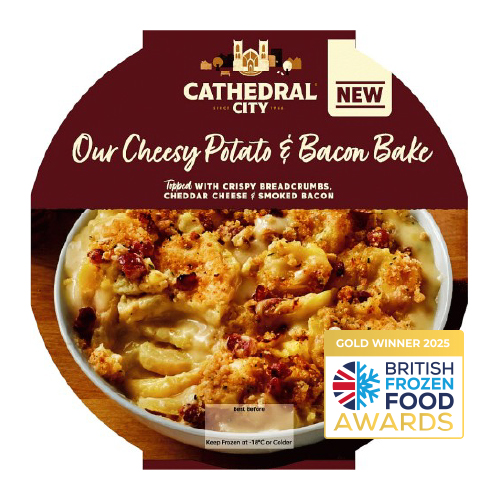
“This means popular brands such as the Jamie Oliver range that we manufacture or own-labels such as Iceland’s Cathedral City Cheesy Potato and Bacon Bake (pictured above), which is another of our award winners at this year’s Frozen Food Awards, provide reassurance to consumers and continue to deliver strong sales,” said Ben Forbes, What’s Cooking’s foodservice manager.
Health First
According to Mintel, there has been a significant shift among consumers towards healthier and ‘“fresher” food choices, driven by better-for-you new product development.
“When it comes to ingredients, manufacturers are working hard to improve the health profile of their meals by reducing salt, fat and sugar content, using more natural ingredients and offering clearer labelling,” said Ashby. “There’s also growing use of responsibly sourced ingredients and plant-based alternatives, reflecting changing consumer preferences.”
The UK ready meals market has experienced a surge in demand for plant-based and vegetarian options, as consumers become more health conscious and environmentally aware. Statista expects this trend to continue, with industry players expanding their product offerings to cater to this growing market segment.
According to a Statista analyst: “There is a rise in online ordering and delivery services for ready-to-eat meals, as convenience becomes a key factor for consumers. This shift towards healthier and more convenient options has significant implications for industry stakeholders, who must adapt to changing consumer preferences and invest in innovative solutions to stay competitive in the market.”
Subsequently, ready meals producers have focussed innovation on health and wellness, with an influx of plant-based options made of locally sourced and sustainable ingredients.
“We are seeing an increasing demand not only for lower fat products, but meals with healthier ingredients and benefits – especially those with brain and gut benefits,” said Forbes. “Coupled with this is a move towards grazing and all-day snacking as consumers’ lives become more fluid in their eating habits. Furthermore, we are seeing more demand for plant-based meal solutions as consumers look to reduce their daily meat intake.”
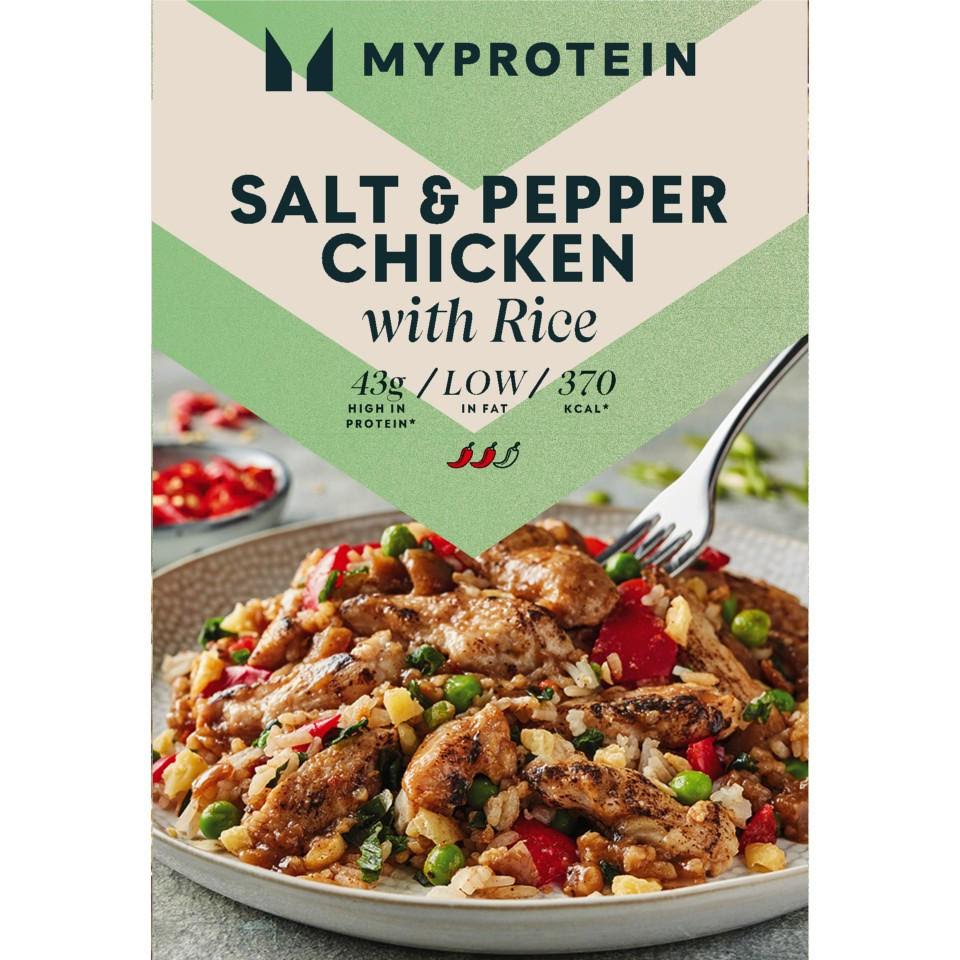
Big brands like Myprotein have entered the ready meals sector with healthy, high protein premium ready meals. The brand has partnered up with the Iceland retail chain to create meals that can be cooked straight from the freezer.
Best Sellers
According to What’s Cooking, classics such as lasagne, macaroni cheese and carbonara remain popular, but there is increasing demand for Asian products including curries and sauces.
“Consumers are also looking for authenticity, global bold flavors and provenance in products,” said Forbes. “We’re aiming to meet this demand with products such as our award-winning Chicken Malay Curry. We are also finding a growing surge in popularity for healthier products and increasingly those from suppliers like ourselves with sustainability credentials.”
Ready meals offer a cost efficient way to discover new flavors, which is why they have proved to be so popular. According to Univar Solutions, Asian and Spanish meals have grown the fastest from the “fakeaway” trend in Britain.
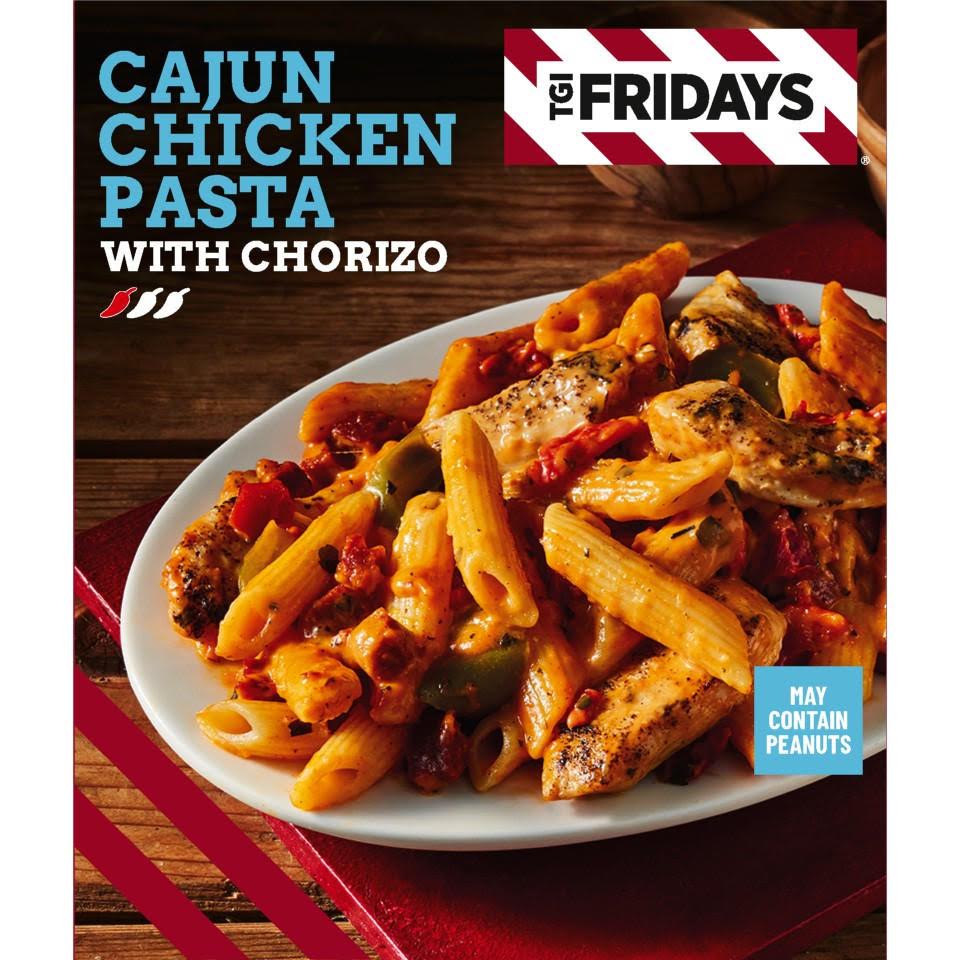
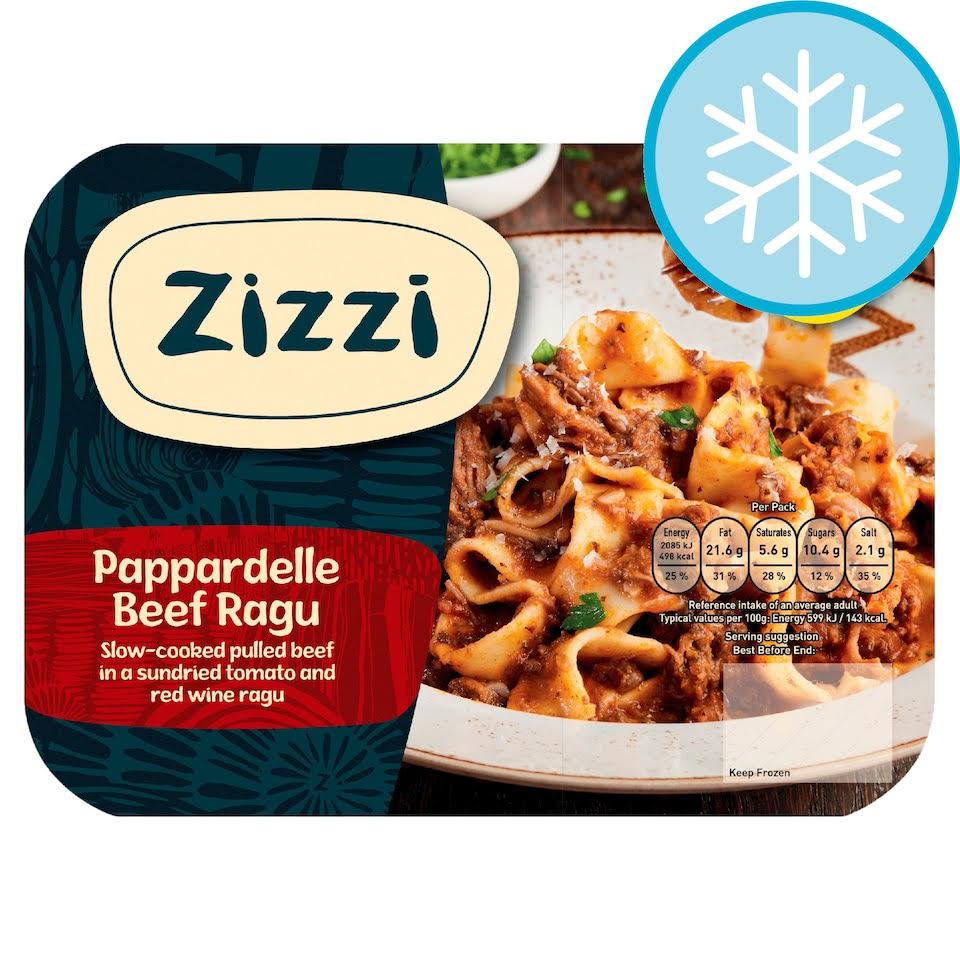
“Restaurant brands are capitalizing on this movement of selling their dishes in stores in a frozen format, including popular chains such as TGI Fridays and Zizzi, both launching frozen versions of their popular dishes,” pointed out Mailey.
Innovation in Packaging
The BFFF reports that there has been rapid development in packaging across frozen ready meals. There’s a continuing shift towards recycled and recyclable materials, and reduced plastic use, driven by both retailer targets and consumer expectations around sustainability.
Manufacturers realize the importance of sustainability and have been working to reduce carbon footprints by using recyclable materials in packaging. What’s Cooking, for example, has introduced new recycled food trays that contain only 10% plastic over the past year.
“We also continue to look at developing ingredients and meals that are more sustainable and healthier, an example being some of our latest lasagne concepts that use a blend of plant and meat proteins,” said Forbes. “These products not only retain a great flavor and texture, but are healthier, more environmentally friendly, and meet the needs of consumers moving to a more flexitarian lifestyle.”
Initiatives such as these have seen What’s Cooking obtain the Eco Vadis Silver Medal Award, identifying it in the top 7% of companies worldwide for sustainability performance.
“Innovation in frozen isn’t just about convenience – the industry is delivering restaurant quality meals with transparency and a lighter environmental footprint,” said Ashby. “That’s especially true with ready meals, which continue to evolve quickly.”