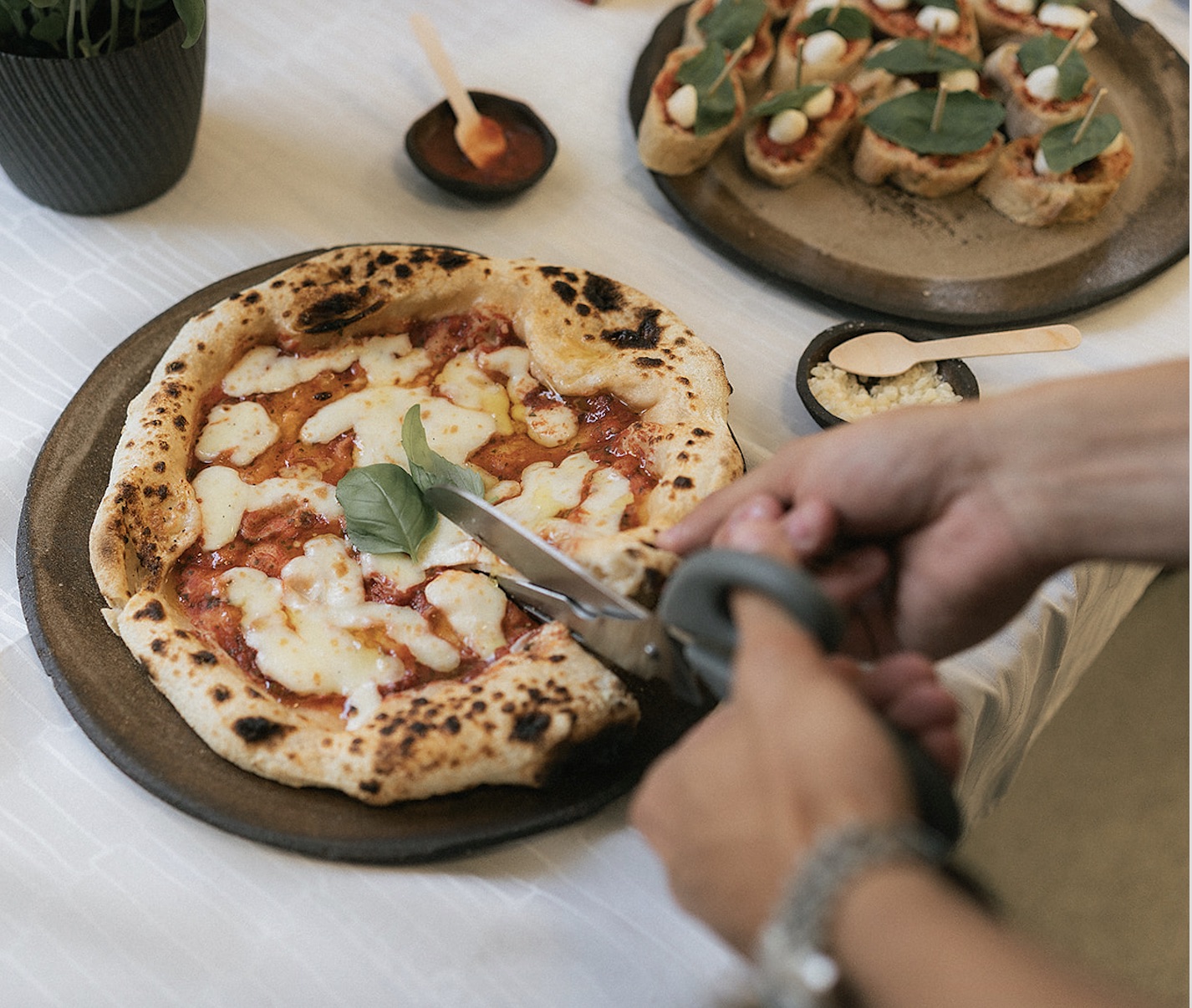
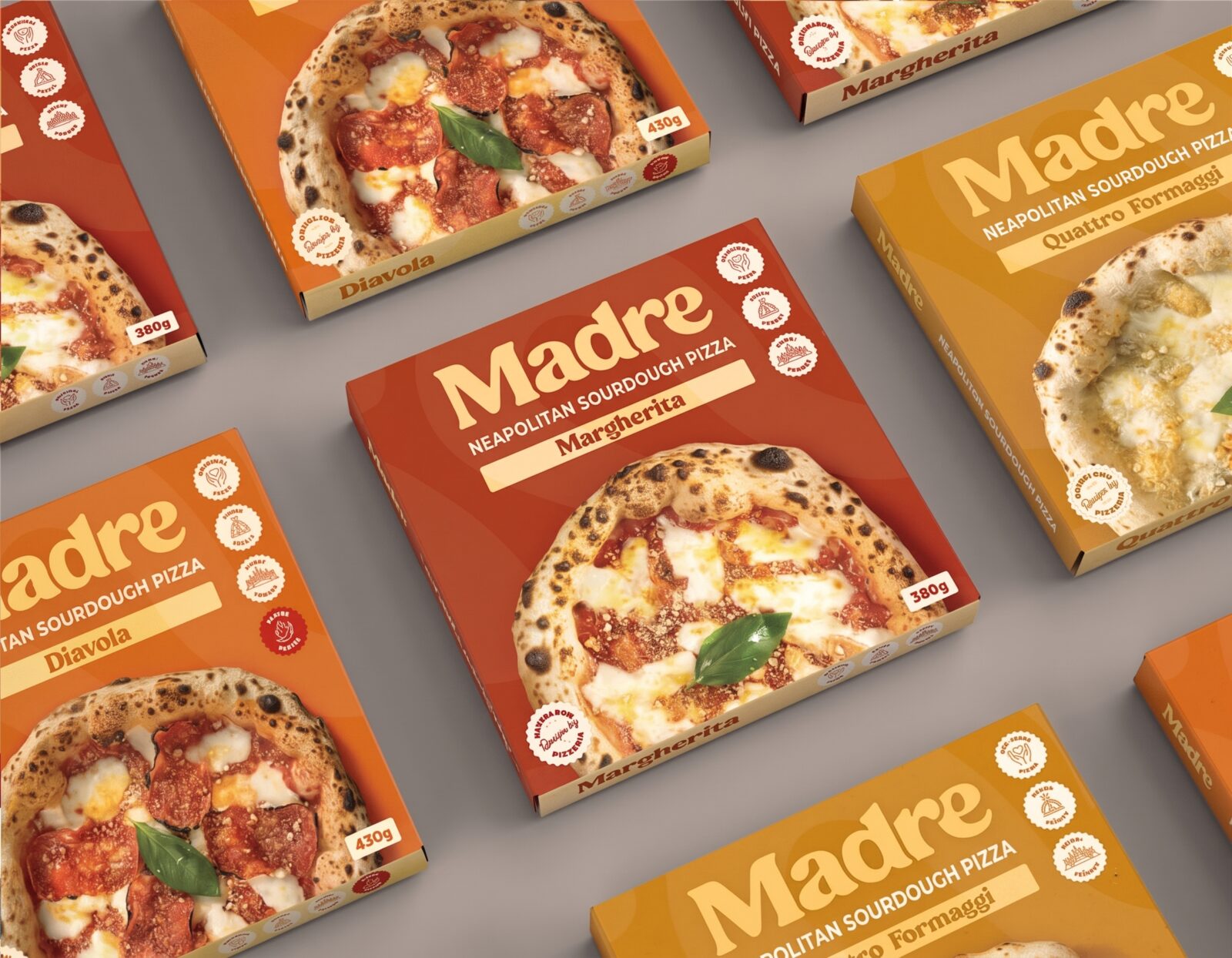
DoughLAB, a Hungarian pizza maker with a production facility near Budapest, is seeking distributors, foodservice wholesalers and retail partners in the United Kingdom for its Madre hand-stretched sourdough pizzas. Made with a live liquid sourdough sourced from Altamura in southern Italy and fermented for 48 hours, the pizzas are hand-stretched, par-baked and frozen using liquid nitrogen.
The company is targeting hotels, restaurants, pubs and caterers looking to reduce the staff time needed for kitchen preparation. Labor costs remain a concern for the sector, with 85% of hospitality respondents citing them as a pressure in the British Chambers of Commerce’s first-quarter 2026 survey.
The range is designed to let operators serve Neapolitan-style pizza without needing a specialist pizza chef on each shift, at a time when chef recruitment activity is increasing. CV-Library recorded 40,395 chef job adverts between April and June 2026, up 83.4% year on year, according to the Craft Guild of Chefs.
“We wanted to take the most difficult and unpredictable part of the process out of the restaurant and move it into a controlled environment. If the fermentation, stretching, ingredients and first bake can be controlled centrally, the restaurant team can concentrate on service instead of reproducing an entire specialist production process during every shift,” said Josep Zara, co-founder and chief executive of the DoughLAB.
The pizzas can be finished in approximately 2-2.5 minutes after thawing, in an oven preheated to 250–350°C. Potential uses include late-night hotel foodservice, allowing staff to prepare a hot meal after the main kitchen team has finished work.
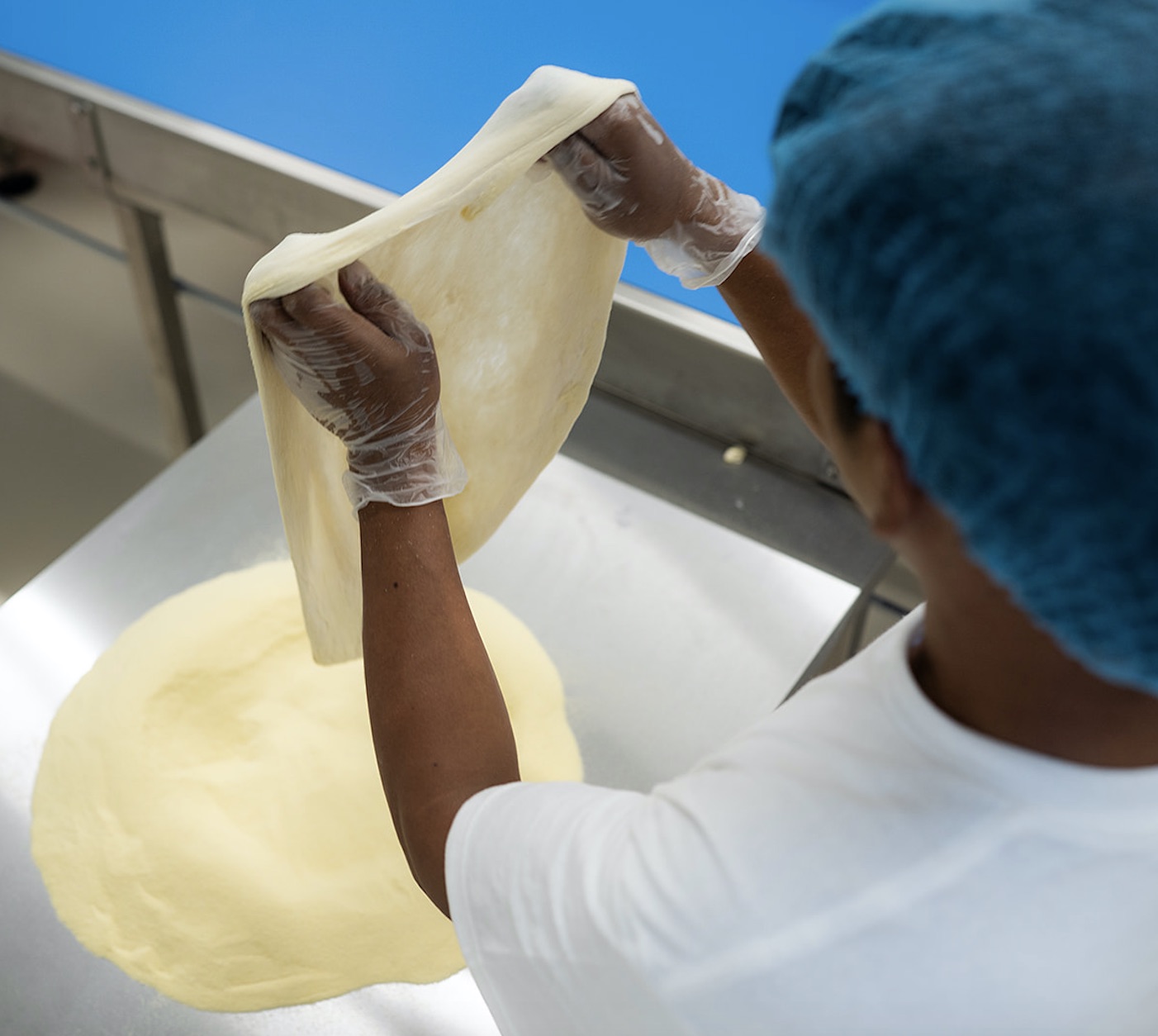
Each pizza is stretched and topped by hand, using ingredients including DOP San Marzano tomatoes, before being par-baked on volcanic stone at around 450°C. The dough and tomato sauce contain no additives or preservatives.
The pizzas then pass through a liquid-nitrogen freezing tunnel at DoughLAB’s 2,000-square-meter factory in Szigetszentmiklós. The cryogenic process freezes them rapidly, producing smaller ice crystals than slower freezing methods to help preserve the dough’s open structure and the texture of the toppings.
The facility represents an investment of approximately 1.5 billion Hungarian forints and was designed for an initial capacity of around 27,000 pizzas a day, with scope to increase output to 100,000.
Zara added: “The easiest way to increase output would be to automate everything. But if you press this type of dough mechanically, you can destroy the structure that gives a Neapolitan pizza its characteristic rim. Working with living dough at this scale is difficult, but that is exactly why we decided to keep hand-stretching as part of the process.”