Families in the United Kingdom looking to eat a healthy diet could save over £1,100 a year on their grocery bills simply by swapping fresh fruit and vegetables for frozen alternatives, according to new research from the British Frozen Food Federation (BFFF).
The analysis comes at a time when the government continues to push the “5-a-day” message as part of the national health agenda. However, current sustained food price inflation leaves many households struggling to keep up with the cost of healthy eating.
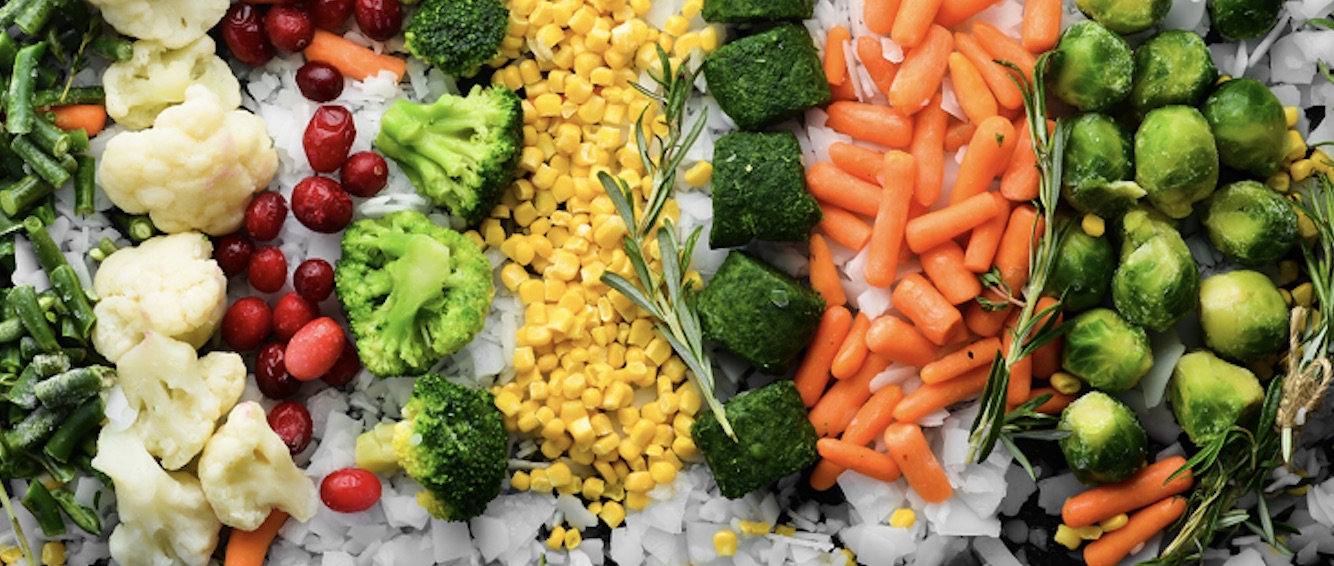
Using current supermarket prices, the BFFF compared the cost of an 80g portion of commonly bought fresh fruit and vegetables with the same weight from frozen packs. Across five staples – broccoli, spinach, mixed vegetables, strawberries and blueberries – the average portion of fresh produce cost £0.46, compared to £0.30 for frozen.
That difference equates to a saving of 80p per person, per day when eating five daily portions. For a family of four, the weekly saving is £22.40, or around £1,165 a year.
The research has been carried out as part of the BFFF’s Frozen Food Revolution campaign, which aims to inform, educate and engage consumers about the benefits of frozen food, and coincides with Frozen Food Week (October 13-19).

In a survey by consumer insight platform Vypr, commissioned by the BFFF, more than half of adults in the UK (51%) said the rising cost of fresh fruit and vegetables has made it harder for them to reach the 5-a-day consumption goal. The BFFF has said it was using the campaign to highlight that frozen food makes nutritious diets available more affordably, making it easier for everyone to eat well.
As well as typically being cheaper, frozen food has the advantage of lasting far longer than fresh, meaning it can be used exactly when needed, reducing food waste and making household budgets go further. Freezing also “locks in” key vitamins and minerals that naturally degrade in chilled produce from the moment it is picked.
For example, scientific studies have found that chilled spinach retains just 20% of its vitamin C content after seven days, whereas almost 80% is retained following the freezing process, and it takes a year for this to fall to 50% retention.
Rupert Ashby, chief executive of the British Frozen Food Federation, remarked: “A healthy diet plays a huge part in the nation’s well being, both physically and mentally. But for too many families, the rising cost of fresh food has put good nutrition out of reach. These figures show just how much of a difference frozen fruit and vegetables can make. Not only are frozen fruit and vegetables every bit as nutritious – and in some cases even more so – but they are significantly more affordable and far less likely to end up wasted. Frozen food really is a win-win for health, happiness and household budgets.”
Separate research, published in Nomad Foods’ Frozen in Focus report, shows the savings could be even higher for those who use their freezer space efficiently. Almost a fifth of consumers believe they could save around £6-10 per week if they knew what was in their freezer. That’s a yearly saving of around £530.