

The growth of online grocery shopping, more snacking among senior citizens, and a preference toward craft foods, fermented products and smoked flavors rank among the top food trends for 2015 in the United States, according to Phil Lempert. The food marketing analyst, who works closely with ConAgra Foods, Inc., issues a trends forecast annually in cooperation with the Omaha, Nebraska, USA-headquartered company.
He predicts the most significant changes next year will stem from a desire for bold-flavored foods that also offer health benefits, and shifts in approach to supermarket shopping – both online and at brick-and-mortar stores. Other trends highlight new eating behaviors among Generation Z (those born after 1995) and boomers (born 1946-64), as well as new technologies that improve the ease of reading and understanding of nutrition labels.
“The top food trends for 2015 indicate people’s palates are continuing to evolve and they are gravitating toward streamlined grocery shopping experiences that are convenient for their lifestyles,” said Lempert. “In 2015, look for brands and merchants to advance their product offerings and shopping amenities to meet these demands.”
Lempert’s top food trends for 2015 include:
- Grazing Seniors:
 Senior citizens in the US will increasingly say “good-bye” to eating three square meals daily and join the growing number of people who snack and/or consume mini-meals throughout the day.Ninety-one percent of people say they snack daily, according to Nielsen. While snacking is on the rise among all ages and genders, research shows that snacking among consumers over the age of 65 could contribute to additional years with a higher quality of life. We’ll see more boomers – those raised in the “three square meals a day” era – employ a “grazing” approach to eating next year.
When boomers snack, they’ll focus on foods rich in nutrients like protein, fiber and Omega3s that can help promote bone health. Other popular snack choices include plant-based proteins and whole grains, like sunflowers seeds and whole grain popcorn.
- Same-Day Delivery Not Just for City Clickers: Grocery Shopping Goes 24/7:
Online grocery shopping and delivery has become a crowded space, with a host of services competing for consumer attention. This trend allows everyone who sells food and beverages to be in the same-day delivery business without having to add additional operational infrastructure.Once considered a luxury for those living in metropolitan areas, revenue gains among food and beverage e-commerce/delivery service indicate the trend will expand to mainstream consumers living in both urban and rural areas in 2015. Previously, major e-commerce players like Amazon would only deliver non-perishable items, but Peapod, Fresh Direct, Amazon Fresh and Instacart make it possible to have perishables like frozen ready meals delivered to one’s door in less than two hours. With this in mind, products will evolve and become catered to online shoppers. More brands will bundle multiple SKUs to create meal kits or offer pre-packaged sets of multiple products.
- Everything Smoked:
 Smoked is the new spicy. This trend will be more pronounced everywhere in 2015 – frozen meals, condiments, cheese, meats and even smoked-flavored cocktails, says Phil Lempert. The demand for smoked foods has risen as chefs begin to apply smoking and grilling to add sizzle and impart new flavor to other proteins and alternatives like vegetables, butters, and even cocktails. And, with smokers gaining in popularity in backyards across America, at-home cooks are also experimenting with smoking non-traditional foods.
The increase in smoked foods is sparking an increase in enjoying that smoky flavor year-round. In 2015, look for even more smoked flavors to emerge in US grocery aisles as well as on restaurant menus and in dishes prepared at home.
- Rise of Fermented Foods: 2015 will be the year fermented foods, such as yogurt, tempeh and sauerkraut, take center stage. These foods contain live cultures, or are preserved in liquid so their sugars and starches can become bacteria-boosting agents. After multi-year growth of gluten-free foods and probiotics, many consumers have found their digestive health improved. In fact, a survey from ConAgra Foods found that nearly 50% of Americans have changed their diet to help improve digestion, with nearly 20% doing so in the past year.
In 2014, there was significant expansion of the gluten-free market beyond the one percent of the population that has Celiac Disease. This will continue, but also evolve into an increased focus on the consumption of fermented foods as people continue to look for ways to aid digestion. Increased knowledge about the impact foods have on digestive health will lead to significant changes in the way consumers prepare food in 2015. Once toppings or side items, fermented foods will become commonplace in meals throughout the day.
- Generation Z: Chefs Everyday:
 Members of Generation Z are doing more in the kitchen, as they slice, dice and cook meals with their own signature tastes.Millennials’ passion for food-related adventures is undeniable, but Gen Z, the demographic group born after Millennials (1995 to present day), brings an entire new set of food values to the kitchen table. Exposed at a young age to more flavors and variety than previous generations, Gen Z’s collective attitude toward food is simplicity and health. They tend to use stove tops rather than microwave ovens for cooking meals, and opt for fresh ingredients over prepared foods. Research by NPD Group indicates some of their favorite foods to cook include eggs/omelets, hot dogs, potatoes and chicken, which they can “dress up” with their own unique touch.
In 2015, look for even more brands to offer simple ideas to elevate everyday foods. For example, breakfast goes up a notch when replacing basic eggs with frittatas.
- Craft Foods Make Way into Kitchens Everywhere: Typically associated with foods made in small batches with specialized, local ingredients, major companies are finding ways to produce craft foods in larger quantities. The phenomenon of craft beer has brought new excitement, flavors and sales to what had been a relatively flat beer industry in the US. MillerCoors and Anheuser-Busch InBev are two examples of major companies that have made the jump to more locally produced, limited distribution and sub-brands.
In 2015, look for this trend to extend to other beverages and food, as Millennials in particular continue to seek unique tastes and foods with authentic origin stories. Marie Callender’s Razzleberry Pie, made with whole Oregon Marionberries and North American red raspberries, is an example of a food that looks and tastes homemade but is found in freezer aisles nationwide.
- Nutrition Labels: No Longer Just on Packaged Foods: As consumers want more information about the foods they eat, innovative devices like Prep Pad will soon offer this information instantaneously. The Prep Pad pairs with an iPad app to calculate the exact nutritional content of meals, including the carbohydrates, fats, protein and calories by scanning the bar code of food packages used as ingredients or the items on one’s plate. Information about a food’s ingredients, chemical makeup or nutritional values will become more readily available and commonplace in supermarket and home kitchens.
- Supermarkets Convert into Socializing Spaces: Supermarkets have evolved from straightforward centers where consumers could buy groceries to purveyors of lifestyle. Present day food retailers are developing a variety of services that help set them apart and establish each outlet as an ambassador of niche lifestyle trends. In the near future, one can expect supermarkets to further specialize in order to offer customers a unique experience that showcases their personality and philosophy toward foods – instead of presenting themselves solely as vendors of goods.
A desire to be “all things food” to their customers, especially single persons, is positioning supermarkets as head to head competitors with local restaurants as well as regional and national chains. Retailers today will build full-service high quality in-store restaurants as part of their brick and mortar operations. Experienced culinarians, usually trained chefs with many years of experience, are offering special dishes, local foods and beverages. Cooking classes, events and seminars are giving consumers reasons beyond a grocery list to step inside their neighborhood store.
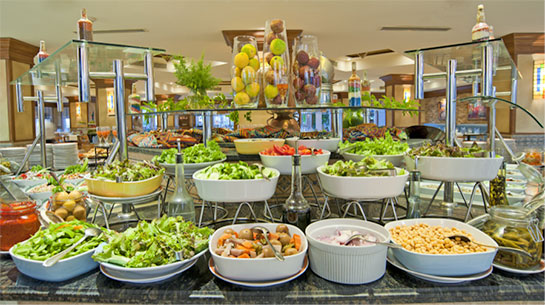 Supermarkets and grocery stores in the USA are expanding dining areas and food demonstration zones, and even offering cooking classes.