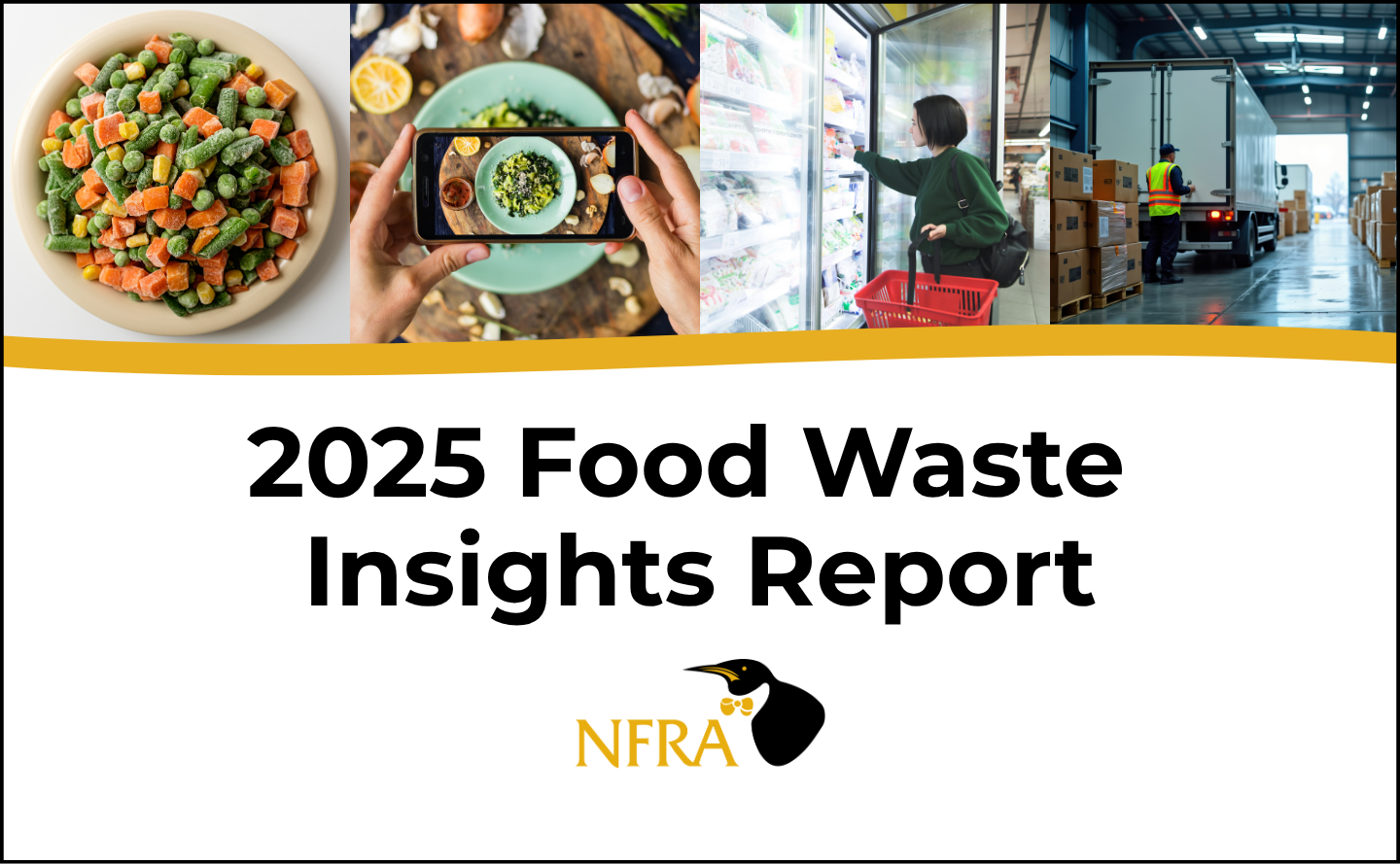
The Harrisburg, Pennsylvania, USA-headquartered National Frozen & Refrigerated Foods Association (NFRA) has released its 2025 Food Waste Insights Report, revealing how tackling food loss and waste across the cold chain can unlock financial, operational, and reputational gains for manufacturers, retailers and distributors alike.
The report reframes food waste as a high-value business opportunity, not just an environmental issue, showing that waste prevention directly improves margins, strengthens retailer trust and positions the frozen and refrigerated categories as essential solutions for both efficiency and sustainability.
“Food loss and waste is a critical and timely issue,” said Tricia Greyshock, NFRA’s president and chief executive officer. “Our categories already provide built-in solutions through extended shelf life, food safety, and consumer value. This report highlights ways our industry can turn those advantages into measurable results by reducing shrink, improving margins, and building stronger retailer and consumer relationships.”
Key findings highlight that, according to data from ReFED, the United States wastes 63 million tons of food each year, valued at $382 billion. For retail businesses, the amount of food that goes to waste in their operations results in an estimated $28 billion in lost product value. Across the value chain, from production and distribution through retail and consumption, opportunities exist to capture lost value and improve efficiency. The cold chain, with its inherent strengths in preservation, freshness, and safety, plays a critical role in reducing waste and supporting retailers and consumers alike in achieving these goals.
The 2025 Food Waste Insights Report outlines:
• Financial levers to reduce shrink, energy waste and operating costs
• Retailer alignment strategies that demonstrate measurable progress on Scope 3 and food waste reduction goals
• Consumer messaging frameworks to position frozen and refrigerated as “waste-proof, budget-smart” choices
• Case studies and technology insights showcasing how predictive analytics, AI, and IoT tools are redefining efficiency
• A roadmap for action spanning immediate member pilots through long-term recognition programs leading up to 2030
“Efficiency and precision are at the core of cold chain logistics,” said Marty Steinmetz, chief commercial officer of RealCOLD. “The NFRA report highlights how technology and collaboration can cut waste at every stage, from storage to shelf, creating both economic and environmental wins for our industry.”
The report also provides turnkey messaging and campaign integration opportunities for NFRA’s consumer-facing platforms, including easyhomemeals.com, to help members embed waste prevention into their storytelling and retail engagement strategies.
“This work demonstrates NFRA’s commitment to equipping our members and industry partners with actionable insights and tools that connect sustainability and business performance,” said Greyshock.