
British farmers are under growing strain from economic uncertainty, shifting policies and erratic weather, with 74% pessimistic about the future of farming in the United Kingdom, according to McCain Foods’ Farmdex 2025 report based on responses to an online survey of 200 farmers in Britain between July 14-18 of this year.
Participation in the survey provided a platform for agriculturalists across the UK to voice their perspectives and give insight into aspects of their personal and professional lives which have not been focused on before. By measuring the emotional toll of their job, family life and exit intent, Farmdex paints a holistic picture of life on British farms today.
The report reveals that 51% of farmers have considered leaving the industry in the past year due to financial strain, while only 4% believe current government support is adequate. Alarmingly, 95% expect family-run farms to decline over the next decade if the current trajectory persists.
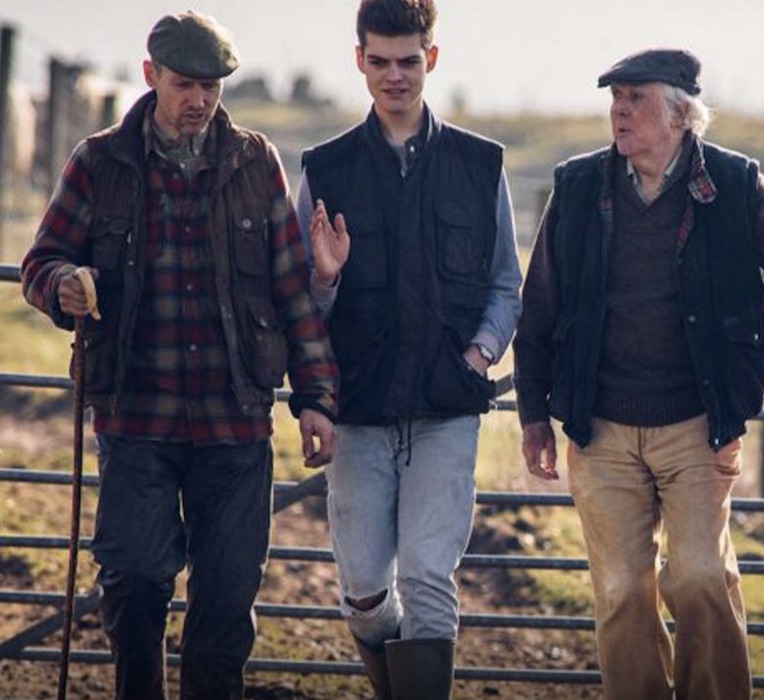
It spotlights the vital role of family in farming, with 83% of farmers working alongside relatives and 60% relying on family support to keep their businesses running. Yet, 95% fear this tradition could disappear without stronger backing. The pressures are already evident: 61% say their work harms their mental health, and more than a third (36%) work over 70 hours per week during peak seasons.
McCain’s Farmdex also highlights resilience, adaptability and optimism with farmers embracing innovation and technology as they look for ways to build a sustainable future. More than two-thirds (68%) view investment in technology as essential for the sector’s future, and 71% have already adopted sustainable practices such as crop rotation, reduced tillage, and precision farming. Many are also diversifying into agritourism and renewable energy, though high upfront costs and regulatory barriers remain significant obstacles.
In light of the Farmdex findings, McCain is calling for cross-sector collaboration and urging the government, policymakers and industry leaders to do the following:
• Support regenerative agriculture to boost food security and farmer profitability
•Prioritize long-term food security
• Provide clarity on government policy direction and funding
• Ensure the long-term viability of family farms
• Guarantee fair trade deals that support domestic agriculture
“Farming is the foundation of Britain’s food system, and its importance to our economy and national food security cannot be overstated. Farmers across the UK are facing a number of complex challenges, and yet they continue to showcase unwavering resilience,” said James Young, vice president of Agriculture at Scarborough, North Yorkshire, England-based McCain GB&I. “As a company founded by farmers, we’re proud to stand alongside our 250 growers across the UK, and we are committed to playing our part to help ensure the long-term sustainability of British agriculture.”
He added: “We support our growers in a number of ways, which includes investing an additional £100 million into our grower base since 2020. However, we can’t do it alone. It is crucial that industry bodies, the government and businesses work together to heed the warning signs in the Farmdex and take action to support farmers.”
About McCain
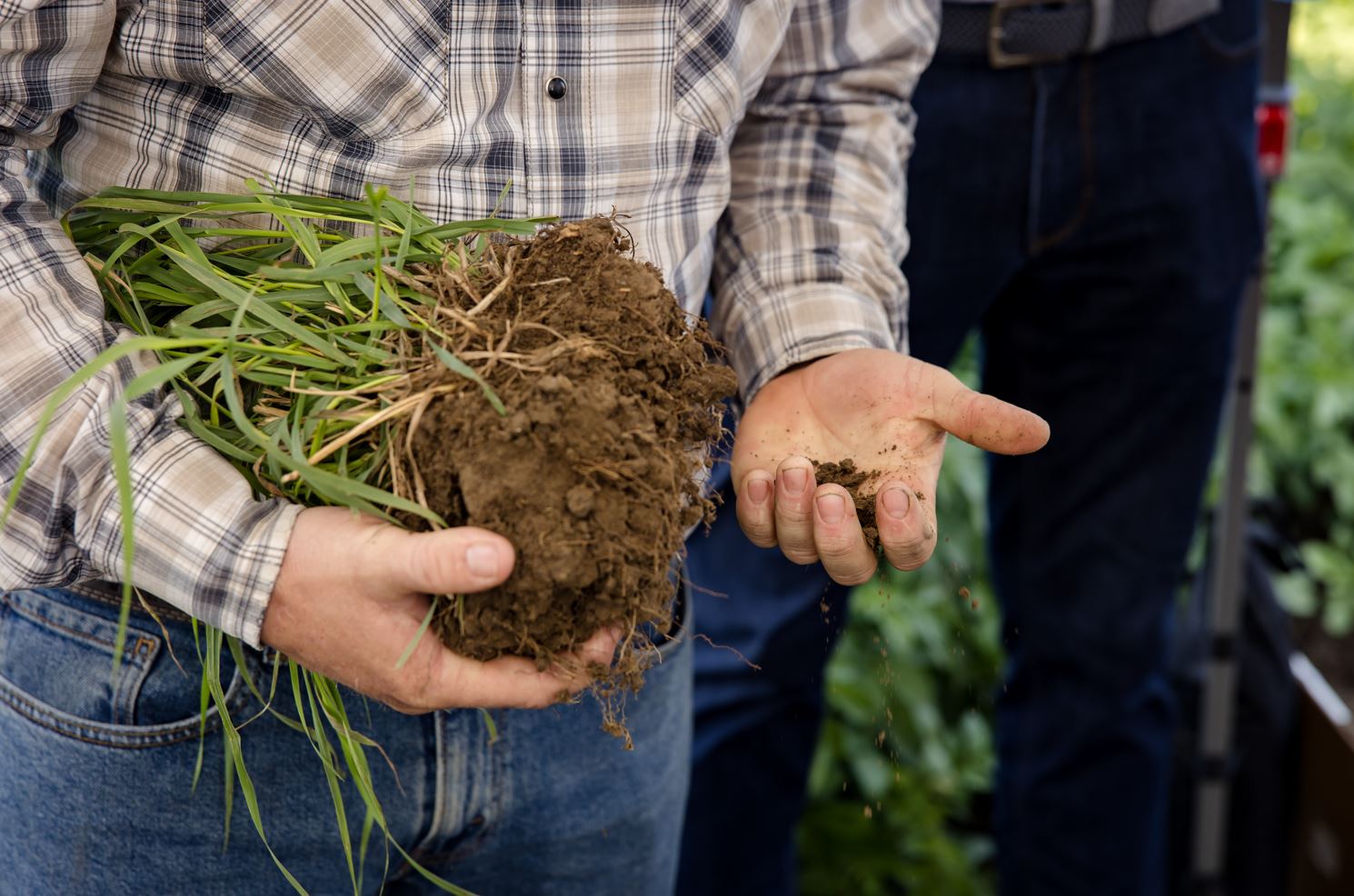
McCain Foods is the UK’s largest manufacturer of frozen potato products, employing over 1,400 people across four processing facilities and a dedicated seed potato business. It is the biggest purchaser of the British potato crop, buying around 20% of the total market from 250 farmers. The company is committed to implementing regenerative agriculture practices across 100% of its global potato acreage by 2030. In supporting growers on this journey, it has introduced initiatives such as free soil health assessments, cover crops, pollinator seeds and various grants.
To ensure a fair and sustainable price for our farmers, McCain uses an Indexation Model, which was pioneered in 2007 to track changes in the cost of production. Since 2022, the company has invested an additional £50 million into contract pricing. This year, it developed a £30 million support package for, and in consultation with growers, which provides capital assistance for critical infrastructure investments and improved payment terms to enhance cashflow stability.