Feeding families during the festive Christmas and New Year holiday period can be a challenge given the high expectations, lack of time and limited budgets. However, frozen baked goods and winter sweet treats offer an affordable balance of indulgence and convenience.
“The convenience and lower cost of frozen products makes them ideal for these kinds of occasions,” said Rupert Ashby, chief executive of the British Frozen Food Federation (BFFF). “It’s something retailers are leaning into, especially as the quality and variety of sweet treats on offer continues to grow year-on-year.”
This demand has driven innovation, enabling foodservice outlets to keep customers happy and allowing retailers to meet the desire of consumers to experience restaurant-style products at home.
“Frozen options are the perfect choice for foodservice teams at Christmas. They are quick and convenient, and help to reduce waste, because products can be defrosted according to demand. All in all, using frozen sweet treats helps things to run more smoothly in the professional kitchen over the festive period because they save time and require fewer staff to prep,” said Oli Sampson, managing director of Collingtree, Northampton, England-headquartered Central Foods.
Pre-prepared frozen baked goods and sweet treats can help to reduce the pressure on commercial kitchens and home cooks during this busy season, offering consistent quality, speed and cost control advantages.
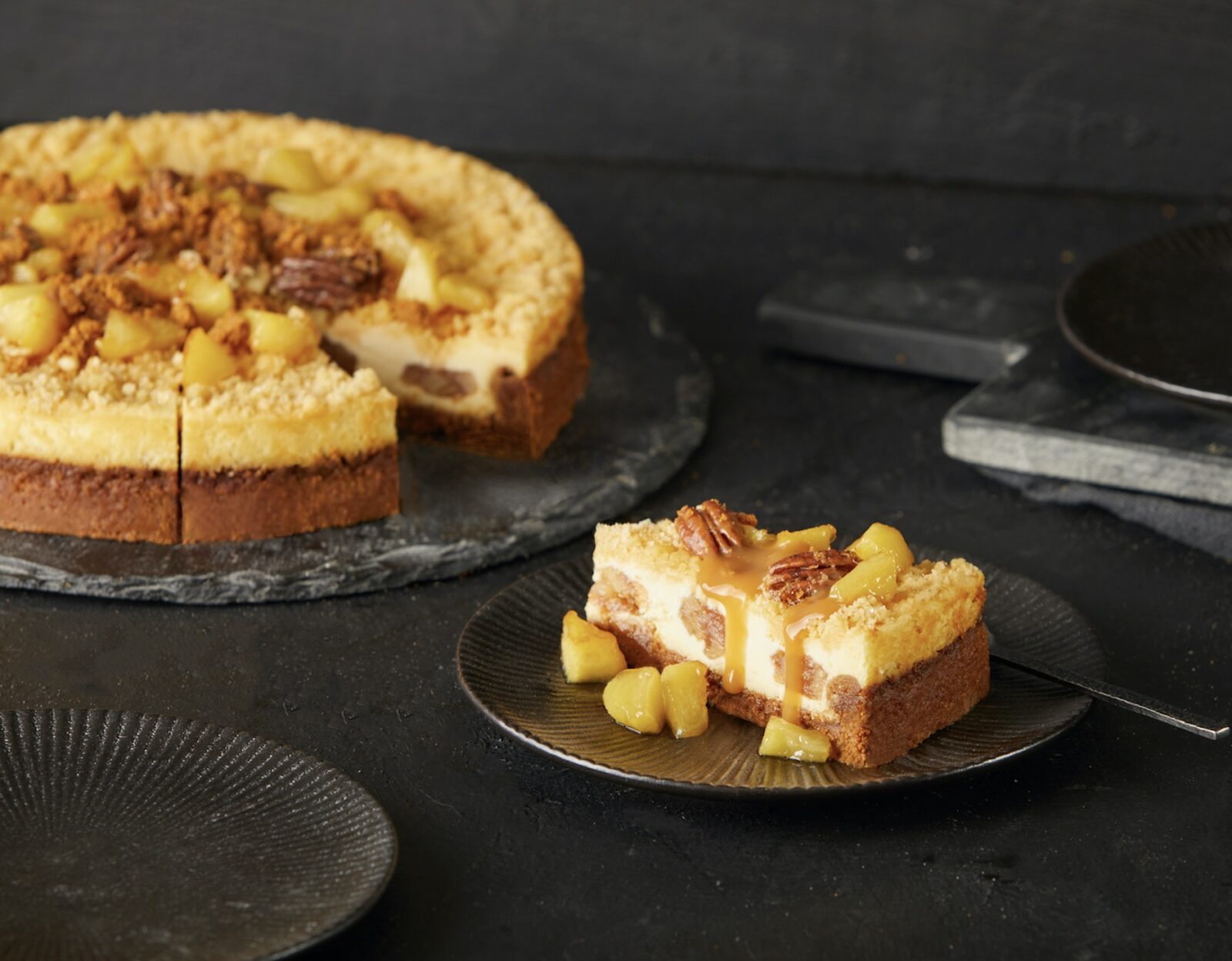
“During the festive period, menus typically feature richer, more indulgent desserts, which can be technically demanding and time consuming to prepare from scratch,” said Rebecca Calveley, the La Lorraine Bakery Group’s trade marketing manger. “Frozen cakes, desserts and sweet bakery products allow foodservice operators to elevate their Christmas offer without increasing labor requirements.”
She added: “Rather than being seen as a compromise, frozen is now viewed as a strategic solution that enables operators to respond quickly to seasonal demand while maintaining premium standards.”
Classic Twists
When it comes to food trends for the winter holidays, things differ slightly between the retail and foodservice sectors. For example, in the former, the general public is strongly attached to festive traditions at home, so retailers will cater to this demand.
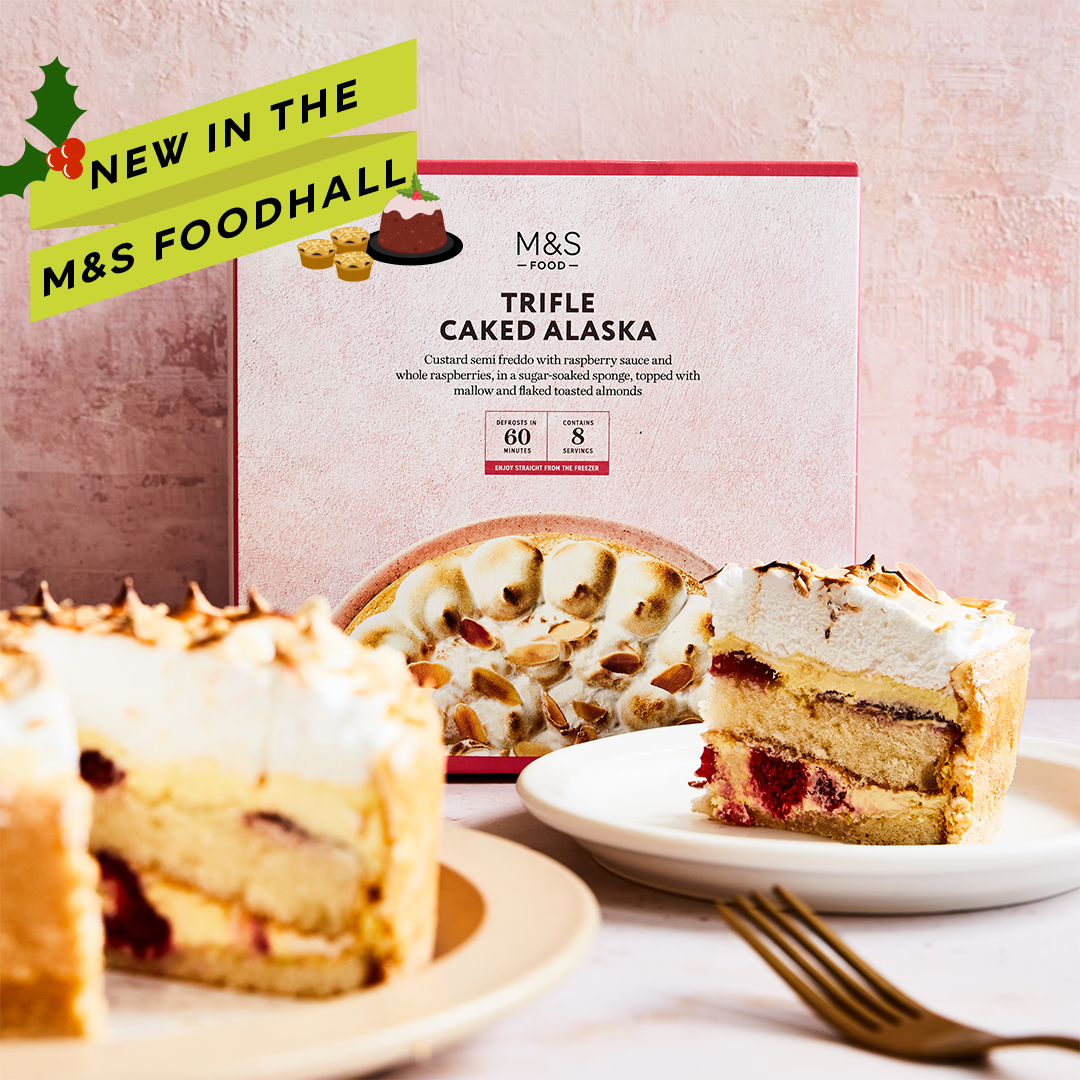
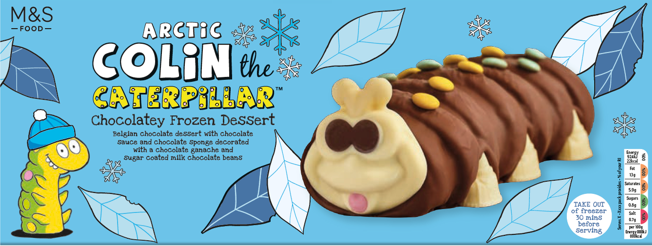
“Products like ice cream, arctic rolls, trifles and cheesecakes have perennial appeal,” said Ashby. “Not to say there is no innovation in retail, with products like the ‘Trifle Caked Alaska’ and the new ‘Arctic Colin’ (a take on the caterpillar cake) from M&S being examples. In foodservice, there is arguably more of an appetite to offer diners something new and different, so we’re seeing deserts using flavors like matcha tea, yuzu and rose water.
“As in other areas of frozen food, we’re also seeing premiumization and manufacturers catering to an appetite for indulgence. Nostalgia and reboots of classic formats are also popular. For example, there are ice cream sandwiches that are a new spin on the arctic roll, offering portion controlled treats that are convenient and cost effective.”
Profitable Pastries
According to data from Kantar, Danish pastries are set to lead the charge in the ISB Sweet category in 2026, with annual sales rising by 6.5% to £134.3 million. Furthermore, data from Lantmännen Unibake UK indicates that shoppers are primarily buying pastries as an indulgent treat for a social occasion or “me-time” moment, but they want baked goods that feel worth it in terms of flavor, quality and experience.
“Pastries that highlight ingredient provenance, on-trend flavors and showcase visual appeal are helping to elevate consumer perceptions of quality and value; becoming sweet experiences that shoppers are willing to pay more for,” said Samantha Winsor, marketing manager at Lantmännen Unibake UK. “At the same time, consumers are looking for both reassurance and novelty.”
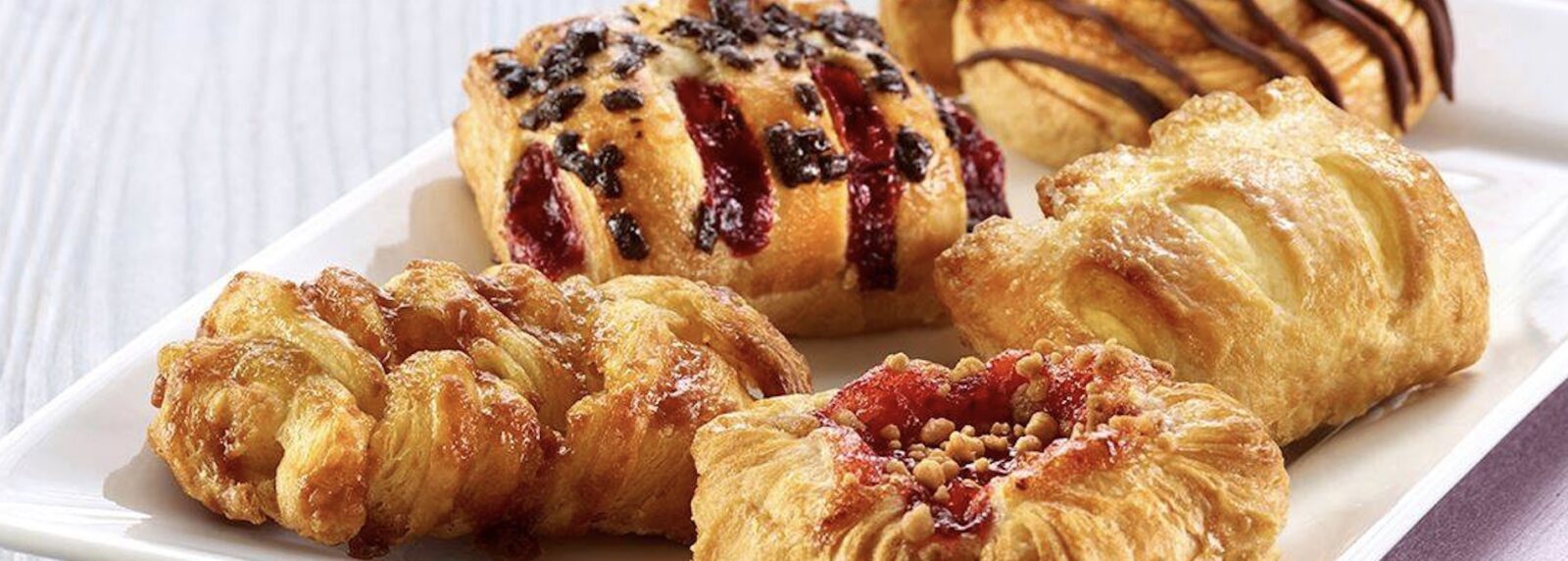
She added: “Familiar dessert-inspired flavors, such as fruit pie, crumble, apple and berry, tropical and citrus, and winter pudding stone fruit profiles, remain hugely appealing because they signal comfort and nostalgia. These products provide comfort and reliability, which is why consumers respond so positively to what we describe as ‘safe innovation’ – new textures, formats and twists paired with flavor profiles they already love.”
Light Bites
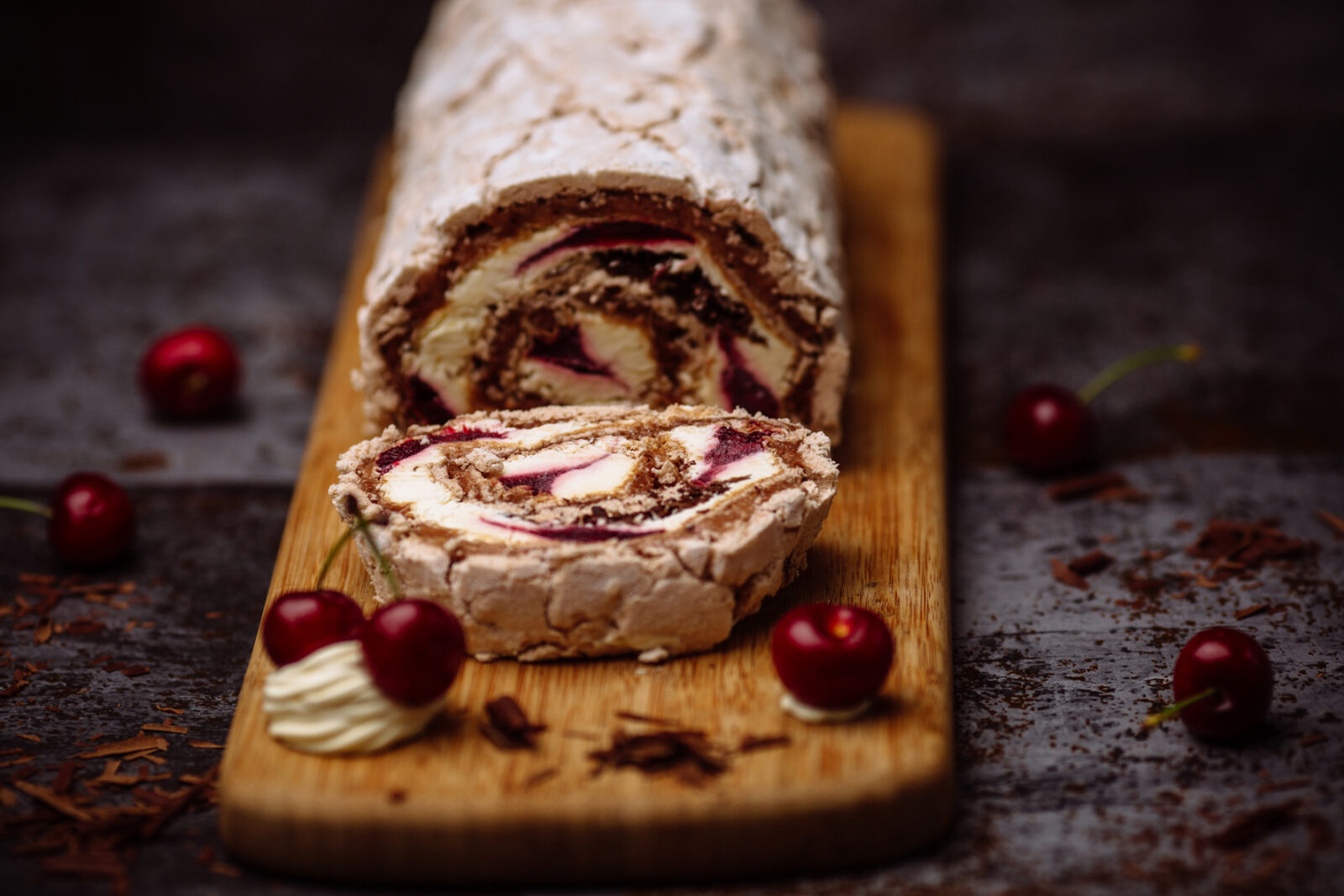
At a time of year when indulgence is at its peak, lighter desserts are a popular choice. Meringue roulades, for example, create a stunning centerpiece and come in a variety of flavors to appeal to all tastes. Central Foods offers a number of frozen Menuserve meringue roulades, including banoffee, lemon, peach bellini (pictured below), strawberry and prosecco, and raspberry and hazelnut.
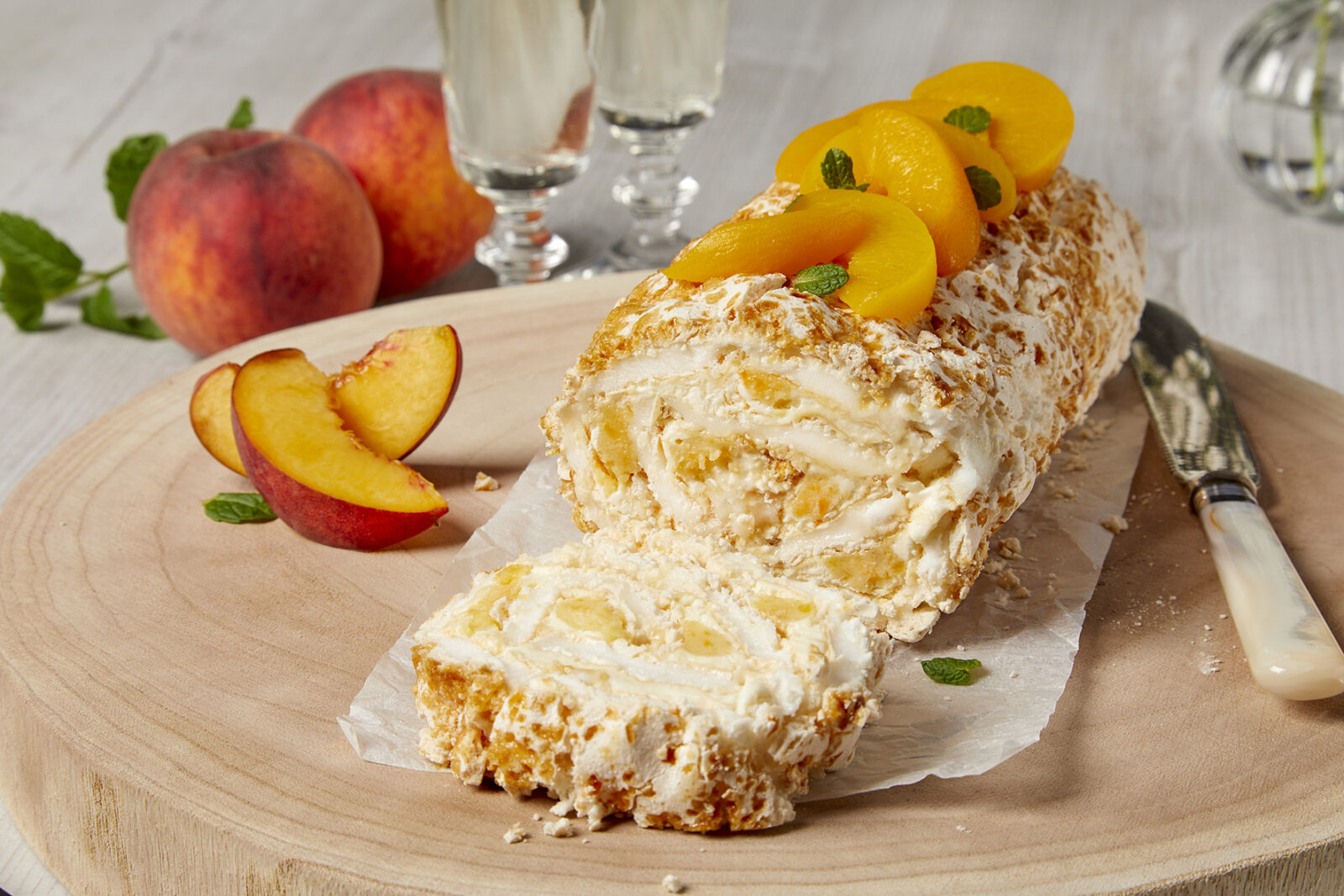
“The Menuserve Black Forest Meringue roulade is particularly perfect for festive menus,” said Sampson. “Gluten-free meringue roulades are a delicious option to offer coeliac customers and others who avoid gluten, yet are so tasty they will appeal to all. Offering dessert items like this, which cater for a range of consumers, in foodservice settings helps to avoid menu proliferation. This can be a real bonus in the professional kitchen at Christmas, when time is precious and staff are busy.”
Looking Ahead
Flavor trends in 2026 are expected to continue to be inspired by global flavors, often paired with long-established classic profiles. According to Opeepl research conducted for Lantmännen Unibake, nostalgic traditional British desserts like fruit pie and crumble are most appealing.
“Seasonal coffee shop and café trends for pistachio and caramel in drinks, ice creams and desserts are cementing these popular flavors into becoming modern classics. Consumers are also seeking them in breakfast and brunch pastries,” said Winsor.
She added: “Tropical flavors, such as mango and passionfruit, will become much more visible in 2026 – especially in Danish formats where bright fruit fillings provide visual appeal and seasonal flavor, which is so important in keeping shoppers engaged in the category.”
The brand’s consumer insights also reveal that Mexican flavors, such as lime, caramel, chili and chocolate, are also on the rise – and with the upcoming FIFA World Cup competition jointly hosted across Mexico, the USA and Canada, influences from these countries are bound to gain momentum.
“Nordic and Scandi flavors (cinnamon and vanilla custard), capitalized on in the recent cinnamon bun trend, will continue to grow in popularity as innovation around soft dough sweet buns continues, inspired by traditional Scandi pastry shapes like the knotted kanelbullar,” added Windsor. “Trends for pistachio and burnt sugar flavor profiles like salted caramel will continue into 2026, offering distinctive flavor and a strong visual signature.”