
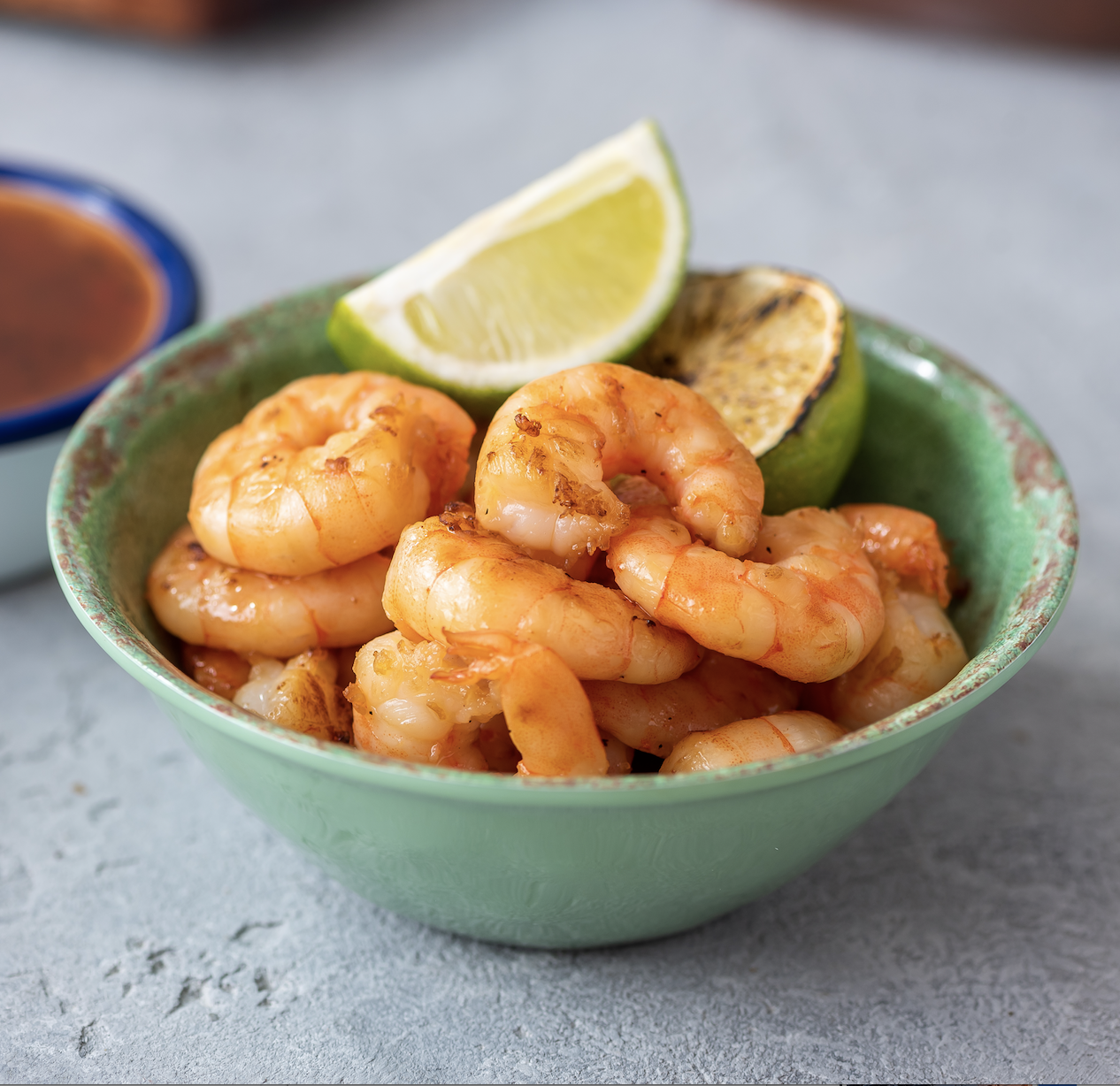
After sales volume declines of fish and seafood in the United Kingdom during 2022 and 2023, last year brought a return to volume growth sparked by easing inflation and an uptick in consumer confidence. In addition, the value of frozen prawns sold in 2024 rose by approximately £2 million to £120 million over 2023, according to Statista.
“Last year as a business we sold 50 tons of king prawns,” said Ben English, operations director at wholesaler Marrfish. “The most popular product was raw, peeled and de-veined. These provide the most cost effective and easiest prawn for a chef to use.”
He added: “Supply lines have decreased in the past twelve months from typical sources such as Bangladesh, India and China, so importers are having to look further afield to be able to guarantee product to all UK partners. This is likely to result in Ecuador becoming a key supply partner in 2025.”
In 2023, British consumers bought 381,371 tons of seafood worth £4.3 billion from supermarkets and other large multiple retail outlets. Warm water prawns accounted for 23,800 tons of sales volume, with frozen ranked as the second most popular segment behind chilled at 25% value and 36% of volume, according to Seafish statistics.
“This popularity shows no signs of slowing, with the agency confirming continued demand in 2023, reporting UK consumers ate more than 140,000 tons of seafood out of home, worth a whopping £5.9 billion,” said Tom Styman-Heighton, development chef at Funnybones Foodservice. “Frozen versions are favored to lock in freshness and eliminate complex expiry logistics, which is particularly beneficial given the recent food waste legislation.”
Frozen prawns are especially convenient for the foodservice sector and consumers at home as the freezing process means this high value ingredient is rarely wasted.
“Frozen prawns, being used in a variety of dishes across the menu, remain a popular choice for our independent customers,” said Leonie-Jade Colling, category manager at Brakes. “We are seeing volume sales growth up by around 3.5% year-on-year for raw prawns and around 1% for cooked prawns.”

Size Matters
Prawns are size graded by count, which refers to the number of per kilo. According to the British Frozen Food Federation (BFFF), the most favored count in the foodservice industry is 125-175 cooked and peeled, while retailers favor 275-375 prawn counts.
“The most popular way to eat them is in salads and sandwiches, although they are also a common ingredient in Asian and Italian cuisine, among others,” said BFFF Chief Executive Rupert Ashby. “As the range of high quality frozen meal offerings representing a wide range of cuisines continues to grow across the industry, we’re seeing new and exciting products incorporating seafood launch every year.”
Global Influence
Seafood is often overlooked in favor of meat or poultry, but it is just as versatile to prepare and serve. Prawns in particular are ideal for tapping into any number of trends, whether featured as a retro prawn cocktail, added to paella for an authentic taste of Spain, or as a garnishment for presenting steaks as a surf and turf option.
“No Po’boy would be complete without traditional blackened prawns,” said Styman-Heighton. “Authentic blackened prawns are not burnt, but rather dipped in melted butter and dusted with a blend of aromatic spices that turn a dark color when cooked. Also known as a hoagie, Cuban sandwich or torpedo, Po’boys are typically served as a long sub, fixed with lettuce, tomatoes, pickles and mayonnaise.”
Foodservice operators can lean into the increasingly popular flavors of Louisiana and other regions of America’s deep south by adding a drizzle of Funnybones’ Rio Pacific Creole Cooking sauce, or Rio Pacific Cajun Blackened Seasoning.
When it comes to the prawns themselves, Funnybones’ offers two variations within its range to suit unique requirements. Restaurateurs may choose from conveniently butterflied and garlic-marinated prawns, or ready-to-use skewers of 10 to12 tiger prawns, suitable to customize with any sauce or seasoning.
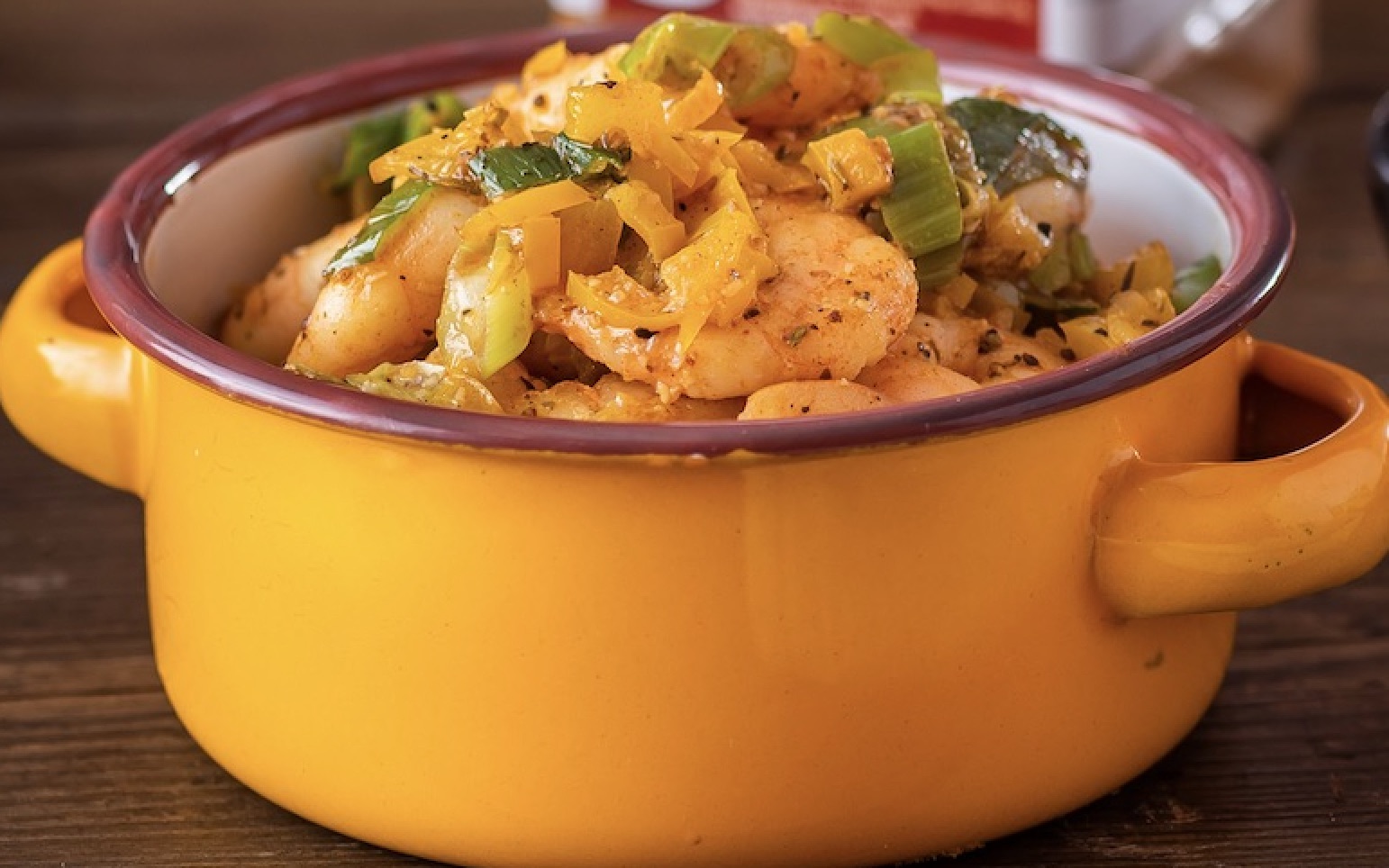 Healthy Option
An increasing desire among consumers to eat less red meat and more seafood, especially prawns, is reflected in MGA’s Edible Prawns Market 2024 report, which predicts “significant growth” ahead.
“Prawns are known for their high protein content and essential nutrients such as Omega-3 fatty acids, which align perfectly with modern dietary preferences,” said English. “Additionally, the awareness of the health benefits associated with seafood consumption, such as improved heart health and brain functioning, is further propelling market demand.”

Capitalizing on the trend for prawns, Marfish has added a range of King Prawn Burgers (pictured above) boasting a mixture of whole and chopped ASC-certified (Aquaculture Stewardship Council) prawns with no fillers or minced seafood.
“Our King Prawn Burgers are lightly seasoned with a subtle blend of spices, contain no artificial ingredients and come either naked for those who want to customize with their own finish; raw, fully breaded; and pre-fried breaded for the ultimate in convenience. So there is something for all skill levels and every sector of foodservice,” said English.
Sustainability Sells
Consumers remain concerned about environmental issues, which are playing a greater role in buying decisions, as seafood products are presented as a sustainable alternative to meat and poultry.
“The number of certifications in the market has increased, with several retailers having introduced their own statements of sustainability, increasing the number of options available to suppliers beyond longstanding schemes such as MSC (Marine Stewardship Council),” pointed out Ashby.
Although English agrees that it is important to obtain wild seafood from MSC-certified sources, the fact that some stocks of wild seafood are in decline means farm-raised fish and prawns offer another option.
“Responsibly farmed fish and shellfish have been produced in controlled water environments, with minimum impact on the environment and in ways that protect local communities and workers’ rights,” pointed out English. “With more than half of our seafood now coming from farmed sources, it is imperative to always look for ASC certification.”
Frozen prawns remain ever popular with foodservice operators and consumers, and with increased interest and innovation in the sector, it’s clear to see why this segment is set to grow even more.