
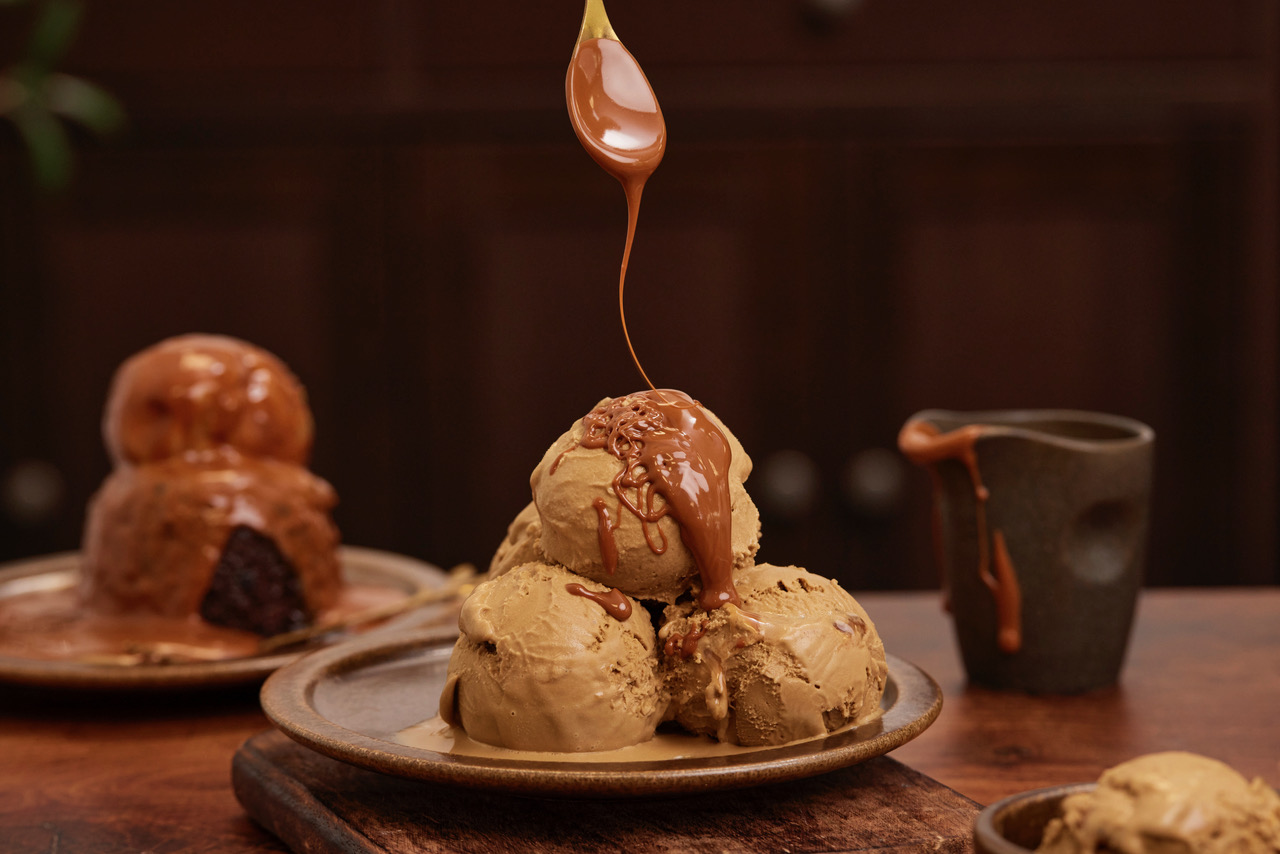
It’s the time of year when the mercury rises and ice cream sales typically soar in the United Kingdom. In fact, according to the British Frozen Food Federation (BFFF), ice cream is one of the most resilient categories in frozen food, despite the weather heavily influencing annual sales totals.
“The hot summer in 2025 saw sales rocket, and overall frozen performance for the year was high, driven by ice cream sales,” said Rupert Ashby, chief executive of the BFFF. “Estimates vary depending on methodologies, but the UK market is worth somewhere between £2 billion and £2.8 billion per year, while the Europe-wide market is valued at around £21 billion.”
According to Zurich, Switzerland-headquartered Barry Callebaut, which supplies Unilever, Häagen-Dazs and Ben & Jerry’s in Europe, the current ice cream trends reflect changing consumer expectations around indulgence, health and excitement, as seen in the three major forces that are shaping innovation globally: connection, soft wellness and extraordinary experiences.

Ice cream is an important and dynamic market with consistent volume growth expected over the next three years. Innovation will play a key role in this growth projection, as consumer attitudes demand a new approach and always up to date, engaging experiences.
Premium Indulgence
Evolving consumer demographics are driving the transformation of the global ice cream market. According to Vyansa Intelligence, innovation in both the retail and foodservice sectors across the UK and internationally is focusing heavily on texture play, nostalgic comfort, global flavor exploration and clean labels. Ice cream is evolving beyond a seasonal treat into a year-round, multi-sensory and emotionally driven experience.
“We’re seeing brands incorporating new flavors and combinations, drawing inspiration from desserts and seasonal trends,” said Ashby. “Premiumization is also a major ongoing theme, with Italian-style gelato products growing in popularity. Sustainability and recyclable packaging also remain high on the agenda.”
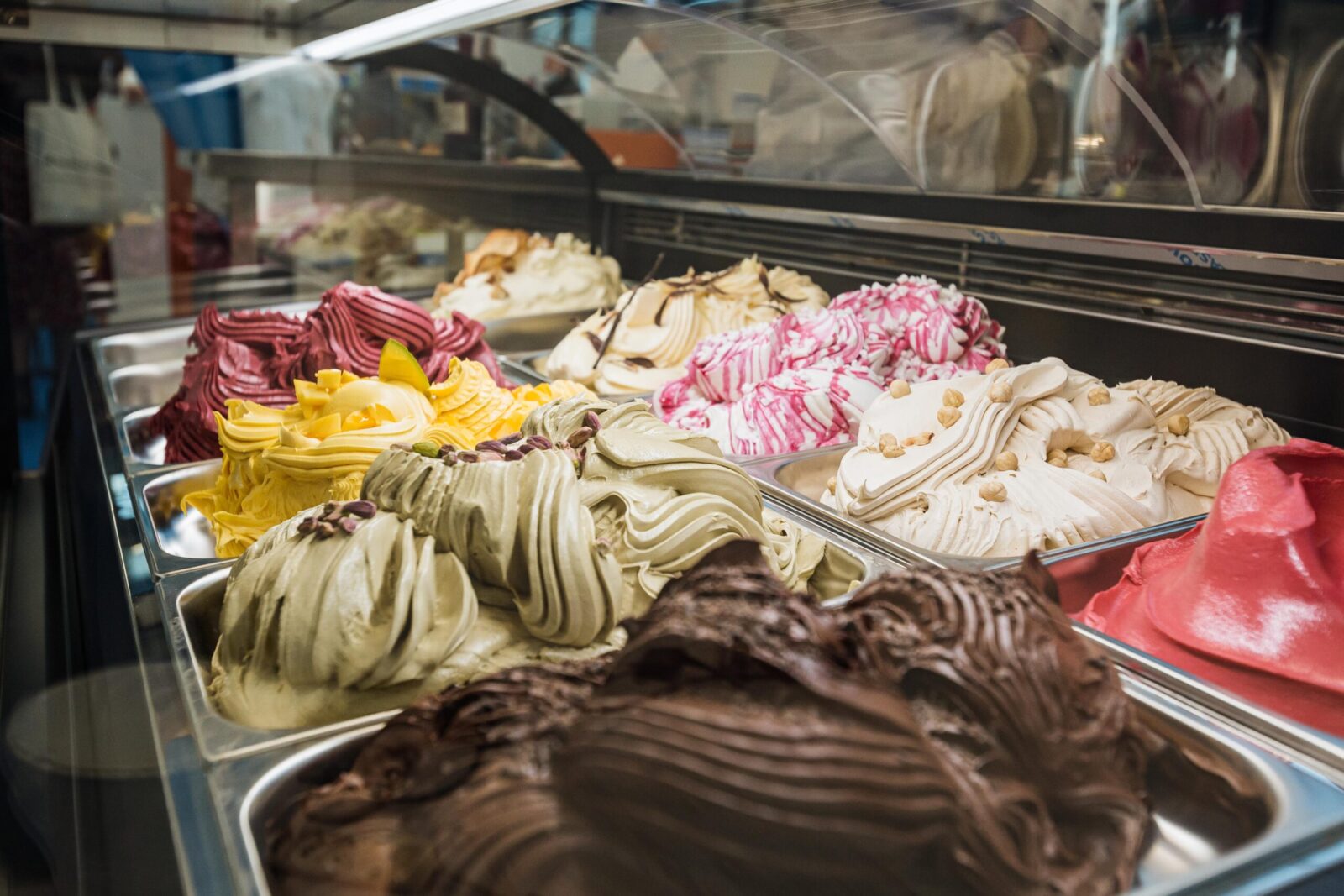
Carpigiani UK’s Iced Insight report found that 69% of consumers will pay for ice cream that is subject to premiumization and over half (57%) spend between £3 to £4.99 on a single purchase. Additionally, 37% will pay more for ice cream made with fresh ingredients, such as real fruit rather than flavored paste.
“We’ve seen firsthand that consumers are increasingly turning to premium, artisanal products, and purchasing ice cream and gelato as an experience rather than just a treat,” explained Joe Yates, training and development chef and gelato master at Carpigiani UK. “The scale of the ice cream and gelato market across the United Kingdom and Europe is enormous, and these insights tell us a great deal about where the market is heading.”
Nostalgic Flavors
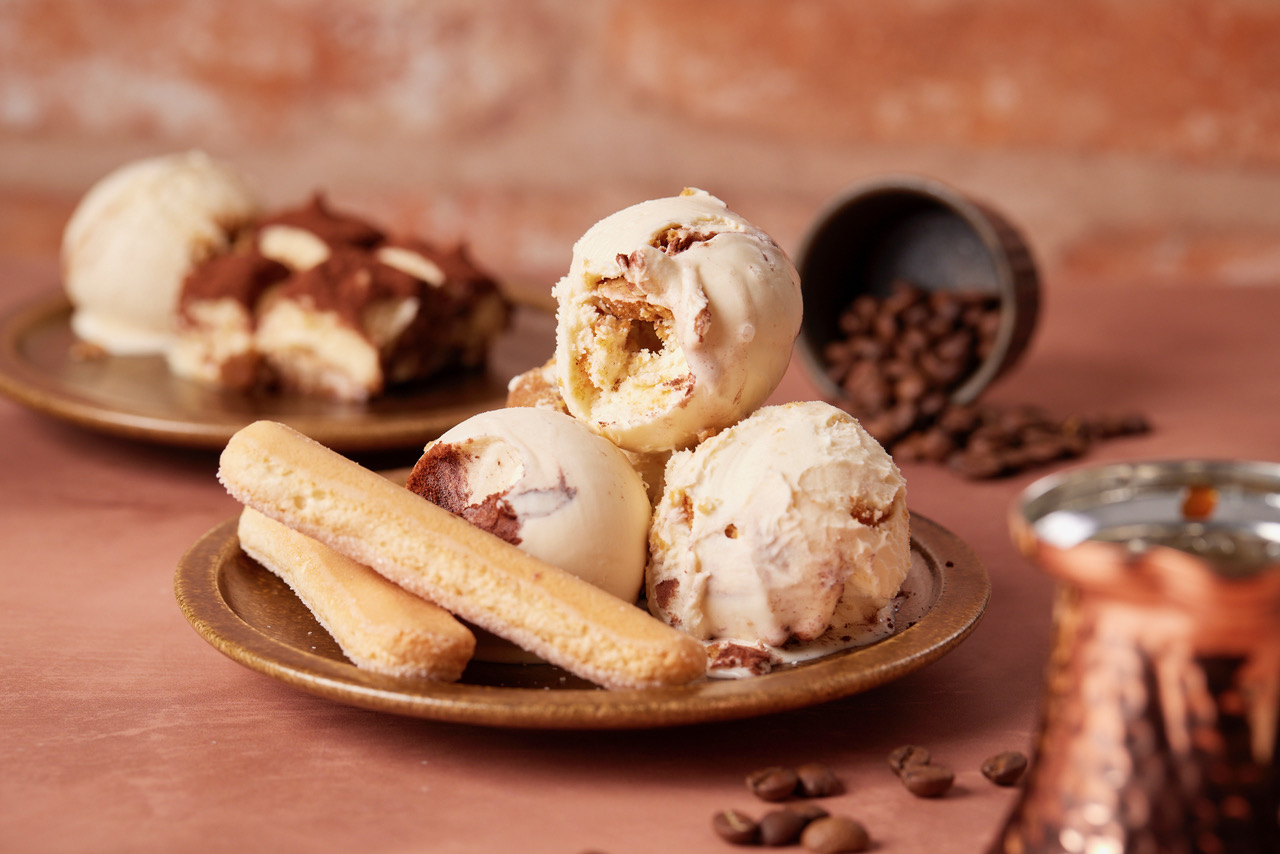
Currently, nostalgia is playing a significant role in terms of flavor, with retro desserts like apple pie, treacle sponge, tiramisu, Black Forest gateau all hugely popular. Also tapping into this retro trend is added texture, with the introduction of fruit and custard crumbles.
“Rhubarb crumble and custard flavor is a prime example,” said Steve Carrigan, master technician in gelato and ice cream at supplier Henley Bridge. “Rubicone have launched an industry-first custard ripple, along with a selection of crumbles in several flavors including caramel, yoghurt, matcha and pistachio, as well as white crumble, all of which are gluten-free.”
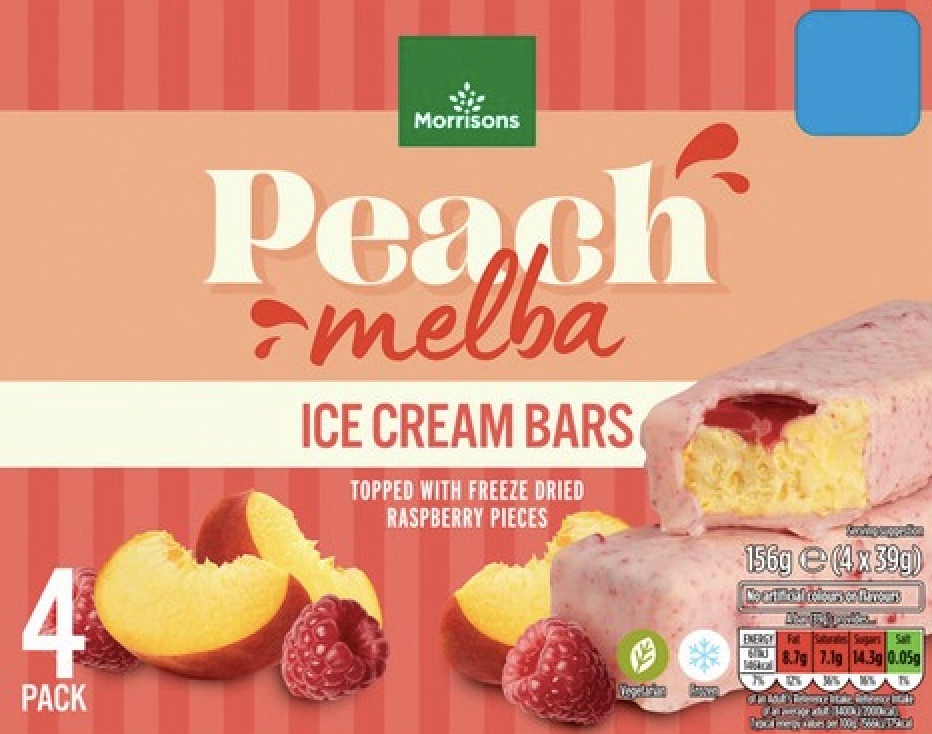
Recent additions to the freezer aisle at Morrisons supermarkets include Black Forest Ice Cream Bars (topped with biscuit pieces) and Peach Melba Ice Cream Bars (topped with freeze-dried raspberries).
“Brioche doughnuts, cookie sandwich, cannoli, chimney cakes (hollow sweet pastry made from yeast dough) and bubble waffles are all attractive, Insta-worthy carriers, which can be adorned with edible decorations and inclusions to satisfy the most sweet-toothed among us,” added Carrigan.
Global Influences
Consumers’ appetite for global flavors shows no sign of abating, with Asian-inspired flavors tops in popularity with the likes of yuzu and ube ranking as most attractive choices among foodservice operators and their customers.
Pistachio has been having a moment in the spotlight thanks to the Dubai chocolate and angel hair chocolate trends inspiring gelato makers to create textured products with this vibrant green nut.
“Yuzu’s bright, floral sharpness offers something entirely different to the zingy lemon profiles British consumers are familiar with, and it pairs beautifully with creamy gelato and soft serve bases,” said Yates. “It’s a fantastic fruit to work with and as it’s such a powerful ingredient, a little goes a long way.”
Ube, which is a vibrant purple yam native to the Philippines, is growing in popularity and is being used in everything from lattes and pastries to ice cream thanks to its striking and vibrant purple color and sweet, nutty flavor with distinct notes of vanilla.
“It has a subtly sweet and nutty flavor profile, adding depth and a striking color to gelato and soft serve,” added Yates. “Our Iced Insight research found that 27% of consumers prefer ice cream with an innovative flavor or use of ingredients, so the appetitive for this kind of creativity is there.”
Best Sellers
Although consumers want exciting new flavors, the top five best sellers, according to Henley Bridge, remain vanilla, chocolate, strawberry, mint choc chip and salted caramel.
“We’re selling a lot of Jersey Dairy soft serve ice cream mix (in vanilla and chocolate) and also the new Rubicone Topping Crock sauces, which tap into the trend for added crunch,” said Carrigan.

Carpigiani’s Iced Insight research backs this up, with 74% of consumers saying they purchase vanilla, strawberry or chocolate most often.
“When you’re working with high quality, fresh ingredients, the traditional gelato flavors are hard to beat,” said Yates. “What has become clear in 2026 is that consumers are still indulging, but they are becoming far more considered about how they do it.”
Ice cream lovers are looking for high quality products with transparency about where ingredients are sourced, while feeling that they are getting value for money. Carpigiani predicts that as we move further into 2026 and 2027, innovation will derive from global influences.
“Looking ahead, we expect continued growth and innovation in premium products, plant-based options and products that balance indulgence with changing consumer preferences,” predicted Ashby. “With the hot weather already experienced during May in the UK, we could see another bumper year.”