As regulators, policymakers and school nutrition professionals in the United States look for ways to enhance school nutrition programs, a current federal regulatory policy may be inadvertently preventing schools from using one of the most effective tools available to increase fruit consumption among students: frozen-fruit smoothies.
Current federal school meal crediting rules consider fruits and vegetables blended into smoothies as juice rather than whole produce. Because juice has a weekly limit in US school meal programs, this policy can discourage schools from offering smoothies, even those made primarily with nutrient-dense frozen fruit. The American Frozen Food Institute (AFFI) is calling attention to this “smoothie credit gap” and new research from the University of Maine that demonstrates how frozen fruit smoothies in schools can support students’ overall produce consumption.

Research Shows Impact of Frozen Fruit
The HEALTHY (Helping Early Adolescents Live Their Healthiest Youth) program was developed by University of Maine researchers to improve nutrition security among adolescents through school-based nutrition strategies. Conducted in five rural Maine middle schools, the program paired four biweekly frozen fruit smoothie taste tests with nutrition education delivered during the school day. Researchers evaluated the program’s impact on fruit selection, fruit waste and nutrition.
A peer-reviewed analysis published in Nutrients found that students in participating schools were 16 times more likely to select fruit at lunch than students in comparison schools. Researchers also found that smoothies resulted in nearly three times more fruit consumption than traditional fruit offerings and significantly less food waste, demonstrating the potential of frozen-fruit smoothies to help schools increase produce consumption while reducing food waste.
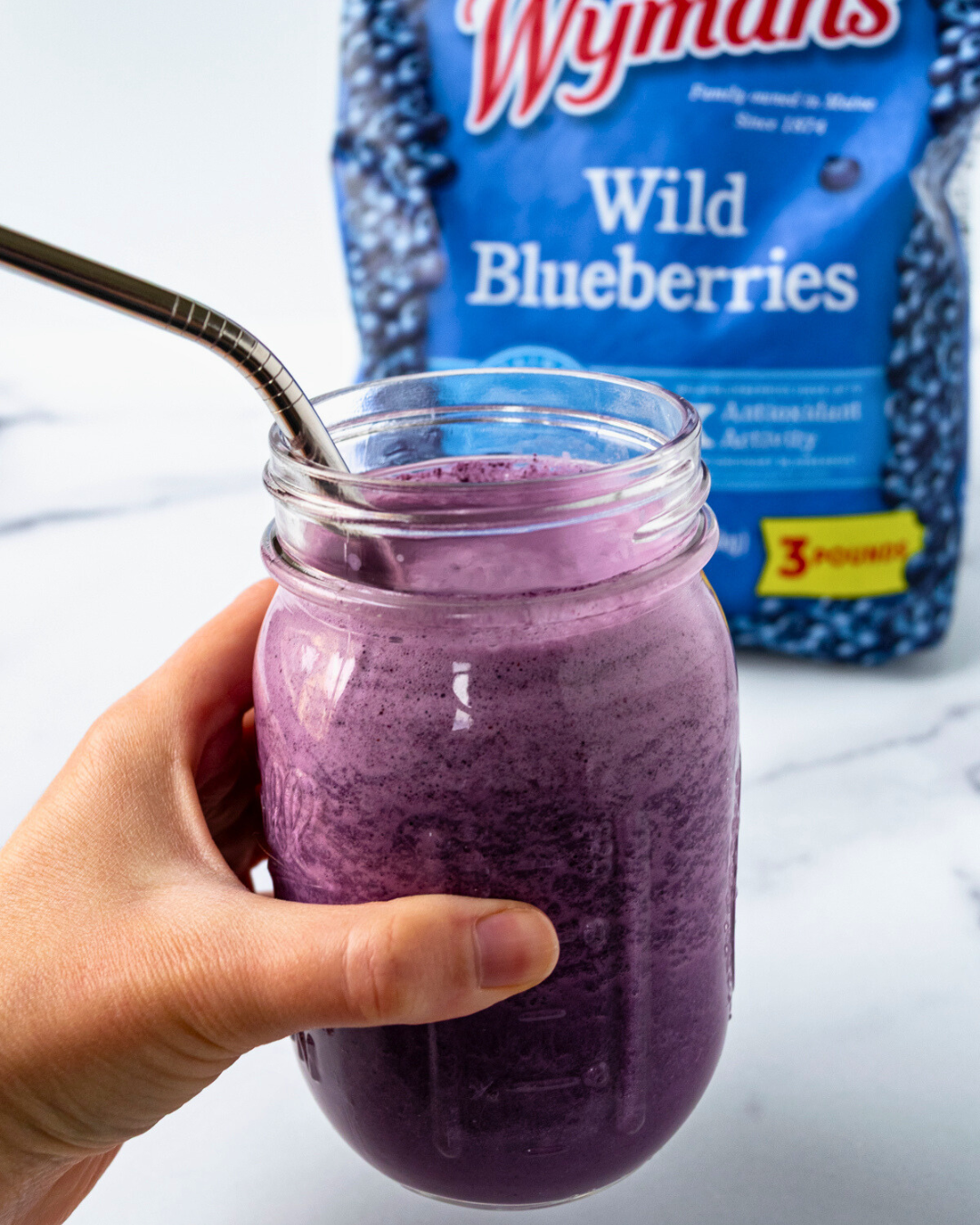
The program was supported by the Wyman’s Wild Blueberry Research and Innovation Center, funded at the University of Maine by the family-owned frozen fruit company.
Nutrition Solution for Schools
Frozen foods are a critical tool for school nutrition programs, helping cafeterias consistently serve nutritious, high-quality meals while managing operational challenges. From planning and storage to preparation and menu variety, frozen options support efficiency without sacrificing nutrition or quality.
“At a time when policymakers are focused on improving children’s nutrition, we should expand access to evidence-based solutions that help students consume more fruits and vegetables,” said Jennie Norka, senior director of scientific and regulatory affairs at AFFI. “The research is clear: students request and enjoy smoothies. Closing the smoothie credit gap will help kids eat more fruit while schools reduce food waste.”
“Programs like HEALTHY show that when schools offer appealing, fruit-forward options such as frozen fruit smoothies, students choose them, which leads to increased nutrition and less food waste,” said Colleen Craig, director of marketing with Wyman’s. “These research findings reinforce the importance of Wyman’s mission to help the world eat more fruit.”
Identifying a Policy Solution for Future
AFFI urges the US Department of Agriculture (USDA) to update the Nutrition Standards for School Meals crediting rules in a way that supports smoothie consumption. Fruits and vegetables used in smoothies, including frozen fruit, should be credited as whole or cut fruits and vegetables rather than as juice.
The research findings were presented on July 30 at the Society for Nutrition Education and Behavior (SNEB) Annual Conference during a session featuring experts from the University of Maine, Wyman’s and AFFI.